Saskatchewan-based producer warns that higher compliance-credit multipliers under proposed Clean Fuel Regulations amendments could weaken demand for Canadian-made biofuels.
Canada’s proposed amendments to its Clean Fuel Regulations have received support from renewable fuels producer Covenant Energy, but the company is calling for safeguards to ensure the changes do not unintentionally reduce demand for domestically produced biofuels.
The proposed framework would introduce differentiated compliance-credit multipliers for renewable diesel and sustainable aviation fuel (SAF), improving the regulatory value of qualifying low-carbon fuels. However, Covenant Energy argues that awarding more credits per litre could allow fuel suppliers to meet their obligations using smaller physical volumes of fuel unless the final rules include a balancing mechanism.
The debate highlights a central challenge for Canada’s biofuel policy: designing incentives that improve the competitiveness of domestic producers while maintaining a reliable market for their products and agricultural feedstocks.
Covenant Energy welcomes proposed credit multipliers
The proposed amendments to Canada’s Clean Fuel Regulations are intended to strengthen the competitiveness of domestic low-carbon fuel producers and encourage investment in the sector.
According to ChemAnalyst’s reporting, the proposed framework includes a 1.5-times credit multiplier for renewable diesel and a 1.8-times multiplier for SAF. The differentiated approach is intended to recognise differences in fuel production requirements and improve the compliance value of eligible fuels.
Covenant Energy welcomed the proposed changes, describing them as a positive signal for Canadian biofuel producers and farmers supplying feedstocks such as canola.
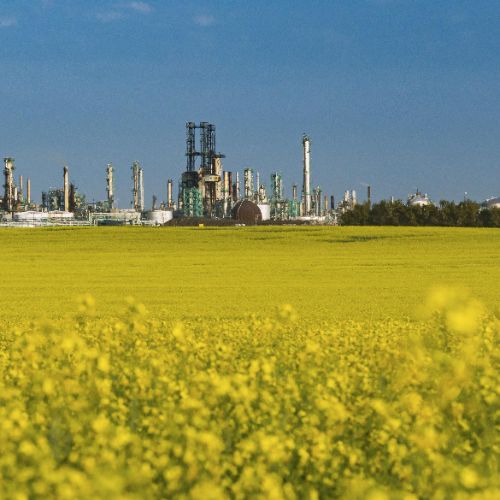
The company, which is developing a renewable diesel facility in Lloydminster, Saskatchewan, has argued that stronger policy support could encourage investment in domestic production capacity and create opportunities across agricultural supply chains.
Company warns higher credits could weaken fuel demand
Covenant Energy’s principal concern is how the proposed multipliers could affect the volume of biofuels required to meet regulatory obligations.
Under a credit-based compliance system, obligated fuel suppliers can meet their requirements through eligible compliance credits. If a qualifying fuel generates more credits per litre, suppliers may be able to satisfy the same obligation with a smaller volume of that fuel.
The company warns that, without an appropriate balancing mechanism, the additional credits could unintentionally weaken overall demand for Canadian-produced biofuels—even as the policy seeks to improve their competitiveness.
This is a potential policy outcome raised by Covenant Energy, rather than evidence that domestic biofuel demand has already declined as a result of the proposed amendments.
Josh Gustafson, president and chief executive officer of Covenant Energy, said the final regulations should balance the additional credits with measures that preserve demand for Canadian products. The company has urged the federal government to address the issue before finalising the amendments.
Canadian farmers and feedstock suppliers in focus
The policy debate extends beyond fuel manufacturers to agricultural producers supplying renewable fuel feedstocks.
Canola is an important feedstock for Canadian biomass-based diesel production. Stronger domestic biofuel production could support demand for agricultural commodities, create opportunities for processors and reinforce links between farming and low-carbon fuel manufacturing.
However, the long-term effect will depend on how the credit multipliers interact with fuel suppliers’ compliance requirements, competing imports, production costs and investment decisions.
For producers developing new facilities, regulatory incentives matter not only because they can improve the value of fuel sold into the market, but also because predictable demand can help support financing and long-term operating plans.
Canada prepares next steps for Clean Fuel Regulations
Environment and Climate Change Canada announced on 27 October 2026 that the proposed amendments would be published in the Canada Gazette, Part I, on 30 October, followed by a 75-day public consultation period. The government says the changes are intended to strengthen domestic low-carbon fuel production, encourage clean-technology investment and support sustained emissions reductions.
The amendments form part of Canada’s broader effort to improve the competitiveness and resilience of its low-carbon fuel industry. The government has also highlighted a Biofuels Production Incentive programme offering up to C$372 million in production-based support for domestic biodiesel and renewable diesel producers.
The consultation will give industry participants and other stakeholders an opportunity to respond to the proposed framework before the final regulations are settled.
Bioenergy Business Analysis
Canada’s proposed Clean Fuel Regulations amendments illustrate the difficulty of translating policy incentives into sustained domestic biofuel production. Higher credit multipliers can improve the compliance value of qualifying fuels, but the effect on actual fuel consumption will depend on the wider regulatory design.
Covenant Energy’s call for a balancing mechanism centres on that distinction: improving the value of each litre does not necessarily guarantee demand for more litres. If suppliers can meet their obligations with fewer physical volumes, the resulting market signal may not fully support the domestic production growth policymakers intend to encourage.
The final rules will therefore be important for renewable diesel and SAF developers, agricultural feedstock suppliers and investors assessing Canada’s low-carbon fuels market. The key indicators to watch are the final multiplier structure, safeguards affecting compliance volumes, and whether the resulting incentives translate into additional domestic production and reliable offtake demand.