


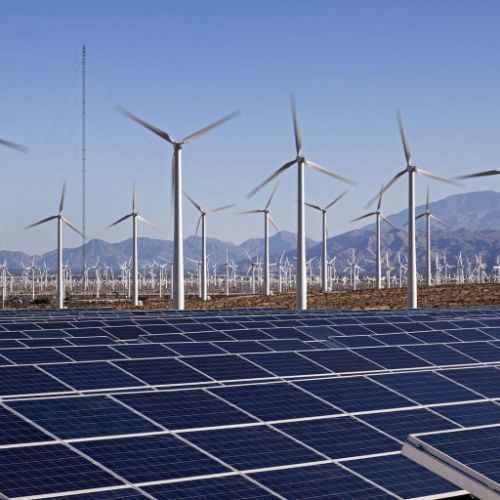
Fourth Partner Energy has secured a contract to supply 45 MW of hybrid renewable energy to Gujarat Alkalies and Chemicals Limited (GACL), marking its largest contract in Gujarat to date, according to an announcement by the company.
The agreement will involve a hybrid renewable energy supply combining wind and solar power. The partnership is intended to support GACL’s transition towards lower-carbon energy consumption and its broader decarbonisation objectives.
FPEL described the agreement as a significant development in its Gujarat operations, identifying it as the largest contract it has secured in the state.
The announcement highlights the role of hybrid renewable energy procurement in helping energy-intensive industrial companies integrate renewable electricity into their operations. Combining wind and solar generation can provide access to electricity from two renewable sources, although the announcement does not disclose the proposed generation mix, supply schedule or arrangements for managing intermittency.
Project to supply more than 99 million units annually
The hybrid project will be developed at FPEL’s Mota Agariya site in Gujarat. It is expected to supply more than 99 million units (MU) of renewable electricity annually to GACL.
The entire electricity generated by the project will be used by GACL for captive consumption at its Gujarat operations. The companies have executed a Share Purchase Agreement, Shareholders’ Agreement and Power Consumption Agreements to establish the project.
GACL’s regulatory disclosure dated 12 November 2026 confirms the execution of the agreements with Fourth Partner Energy and FPEL Bhanu. The company subsequently disclosed that it had paid ₹26,000 on 13 November 2026 to acquire 2,600 shares, representing a 26% stake in the SPV.
The agreement marks FPEL’s largest contract in Gujarat to date. It also adds another captive renewable energy procurement arrangement to GACL’s energy portfolio as the chemical manufacturer continues to expand its use of wind and solar power.
The project reflects the growing use of captive renewable energy arrangements by industrial electricity consumers. Under this structure, GACL will hold an equity interest in the project company and consume the electricity generated by the facility.
However, the companies have not disclosed the project’s commissioning schedule, total investment, power purchase tariff or expected emissions reductions. The project should therefore be described as an announced development rather than an operational renewable energy installation.



