


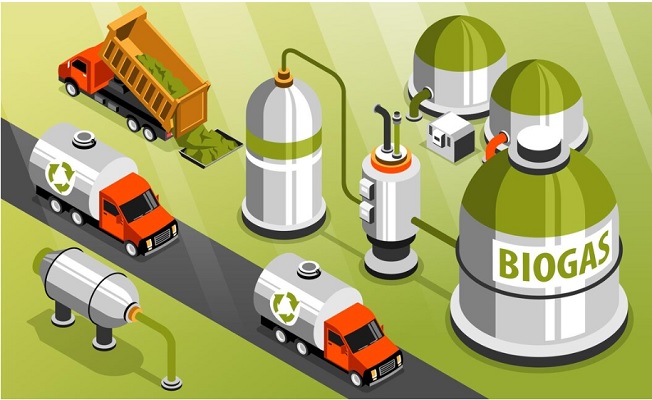
The European Biogas Association (EBA) has endorsed the European Commission’s newly unveiled Bioeconomy Strategy for formally recognizing biogas facilities as multi-output biorefineries that are critical to the bloc’s circular economy and climate neutrality goals.
Key Takeaways
- Fertilizer Independence: Current EU biogas production generates 3 million tonnes of organic nitrogen fertilizer, covering 17% of the EU’s demand.
- Carbon Valorization: 127 plants currently valorize biogenic CO2, supplying 1.17 million tonnes (14%) of Europe’s merchant demand.
- Import Reliance: The strategy aims to reduce the EU’s dependence on the 24.2 Mt of synthetic fertilizers imported in 2024.
- Regulatory Gap: The EBA is urging the Commission to include manure and intermediate crops as recognized biomass streams in the upcoming Circular Economy Act.
Beyond Energy Production: The new Commission proposal introduces necessary flexibility in assessing efficient biomass-use pathways. Crucially, it acknowledges that modern biogas plants produce more than renewable energy; they are hubs for derivatives including e-fuels, green hydrogen, bio-based plastics, and chemicals. This shift aims to drive industrial defossilization while simultaneously addressing sustainable agriculture needs through the production of digestate and biogenic CO2.
The Strategy specifically highlights bio-based fertilizers as a “lead market.” With Europe importing 11.2 Mt of nitrogen-based fertilizers in 2024, the scaling of domestic bio-fertilizers derived from the current 22 bcm of biogas production is viewed as a strategic imperative for food security and soil health. Furthermore, the revision of the Product Environmental Footprint (PEF) methodology now allows for the proper accounting of biogenic CO2, validating it for permanent removal credits.
The Industry Perspective: Stakeholders view this as a pivotal moment for asset valuation. Speaking on the strategy’s release, EBA CEO Harmen Dekker emphasized the dual benefits of the new framework.
“Recognising biogases and their co-products in the EU Bioeconomy Strategy highlights one of the most practical and immediate ways to deliver a circular, low-carbon, and competitive bioeconomy,” said Dekker. “It enhances industrial competitiveness and food security, reduces dependency on imports, and builds resilience through smart resource management and innovation.”
Bioenergy Business Analysis: For investors and plant operators, this Strategy signals a fundamental shift in the business model for European biogas. By officially validating the “biorefinery” concept, the EU is paving the way for revenue diversification. Operators should anticipate improved regulatory pathways for selling digestate and biogenic CO2, which can hedge against volatile energy prices. However, the EBA’s call for the inclusion of manure and intermediate crops suggests that feedstock classification remains a legislative hurdle that must be resolved in the forthcoming Circular Economy Act to fully unlock the sector’s capacity.