


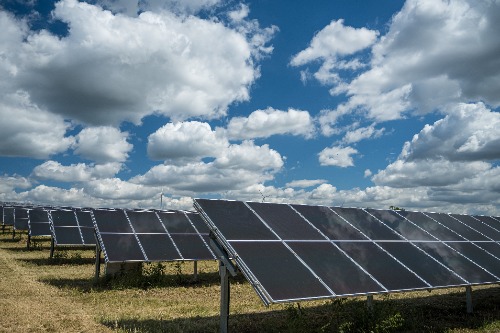
Aster DM Quality Care has invested Rs 3.87 crore in a 10 MW ground-mounted solar power project developed by Oyster Renewable Energy for Aster MedCity in Kerala. The project, located in Ambalathara and adjoining villages in Hosdurg Taluka of Kasargod district, is intended to supply a significant share of the hospital’s electricity demand from renewable power.
Oyster Renewable Energy said it has commissioned the first operational phase of the project, with the remaining phases expected to follow. Once fully commissioned, the project is expected to generate approximately 17.7 million units (MUs) of renewable electricity annually.
Solar Project Targets More Than 90% of Hospital Energy Demand
The 10 MW project has been developed to support the round-the-clock electricity requirements of Aster Medcity, a healthcare facility where uninterrupted power supply is critical.
According to Oyster Renewable, the project is expected to meet more than 90% of Aster Medcity’s total energy requirement on a captive basis.
The facility uses bifacial solar modules, which the developer said have been selected for Kerala’s tropical climate. The configuration is intended to provide reliable renewable electricity while reducing the hospital’s dependence on grid-based power.
The project’s projected annual generation of around 17.7 million units represents the primary renewable-energy supply from the facility once the project is fully operational.
Aster Group Holds Equity in Power Supply Entity
Power generated by the project is supplied through Oyster Green Hybrid Two Private Ltd, in which the Aster Group holds a 26% equity stake.
The investment by Aster DM Quality Care amounts to Rs 3.87 crore, according to the project announcement. The ownership and supply structure links the healthcare group’s participation with the renewable power arrangement serving Aster MedCity.
Oyster Renewable described the installation as its second-largest solar project for a healthcare institution to date.
Siddharth Bhatia, Managing Director and CEO of Oyster Renewable Energy, said the project was designed around the requirement for reliable electricity at healthcare facilities. He also said the project is expected to abate approximately 23,138 metric tonnes of carbon emissions annually.
The emissions figure is a project estimate provided by Oyster Renewable and has not been independently verified in the supplied material.
Renewable Power for Kerala Healthcare Infrastructure
For Aster MedCity, the project forms part of efforts to integrate renewable electricity into hospital operations while reducing reliance on conventional grid power.
Varun Khanna, Managing Director and Group CEO of Aster DM Quality Care, said renewable energy forms part of the group’s approach to reducing the environmental footprint of its healthcare operations. He added that the company intends to continue exploring solutions aimed at improving the resilience and efficiency of its healthcare infrastructure.
The project illustrates the application of captive and group-linked renewable power arrangements to large commercial electricity consumers. Healthcare facilities can have continuous electricity requirements for clinical services, cooling, medical equipment and other hospital operations, making the reliability of renewable supply an important consideration alongside generation capacity.
First Phase Commissioned
The current commissioning represents the first operational phase of the solar project. Oyster Renewable said full commissioning is expected in subsequent phases.
The announcement does not specify the scheduled date for completion of the remaining phases, nor does it provide details of the project’s total land area, module manufacturer, power purchase or captive consumption structure beyond the ownership information disclosed.
The project is expected to generate approximately 17.7 million units of renewable electricity each year once the planned capacity is fully operational.
Bioenergy Business Analysis
The Aster MedCity project demonstrates how large healthcare consumers are using dedicated renewable generation to address a substantial portion of their electricity requirements. The combination of a 10 MW solar installation, captive consumption and Aster Group’s equity participation creates a structure in which the renewable asset is closely linked to the end user’s energy demand.
The next significant milestone will be the full commissioning of the project. Its reported annual generation, more than 90% targeted coverage of Aster Medcity’s energy requirement and estimated emissions reduction will ultimately depend on actual operating performance and the project’s final commissioned configuration.