


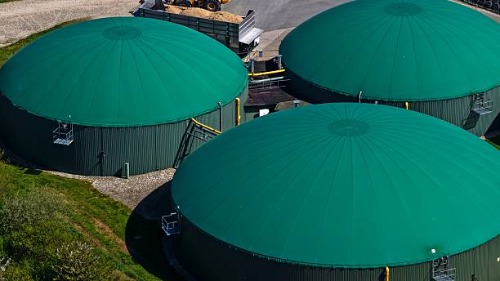
Bharat Petroleum Corporation Limited (BPCL) is set to develop a compressed biogas (CBG) plant at Kherdha in Bhilai, Chhattisgarh, after proposed sites at Jamul and Kurud faced opposition from local residents.The project site covers 7.5 acres, and BPCL has completed construction of the boundary wall, according to the Bhilai Municipal Corporation. Construction of the CBG plant is expected to proceed at the designated Kherdha site.
The plant is planned to process around 150 tonnes of organic waste per day and produce approximately 12–15 tonnes of CBG daily.
The project is part of Chhattisgarh’s efforts to convert urban organic waste into biofuel while creating an alternative waste-management route for municipalities in the Bhilai-Durg region.
BPCL CBG Plant to Process Waste from Seven Urban Areas
According to the municipal corporation, the proposed plant will receive organic waste from Bhilai, Durg, Risali, Bhilai-Charoda, Kumhari, Jamul and Utai.
The facility is expected to process around 150 metric tonnes of organic waste every day.
At the planned processing capacity, the project is expected to produce approximately 12–15 metric tonnes of compressed biogas per day.
The use of organic municipal waste as feedstock is intended to convert part of the region’s waste stream into a commercially usable renewable fuel.
BPCL to Invest Around ₹60 Crore
BPCL is expected to finance the Kherdha project at an estimated cost of around ₹60 crore, according to the municipal corporation.
The project is also expected to generate approximately 30,000 person-days of employment annually, including direct and indirect opportunities.
The municipal corporation has estimated that the project could generate around ₹1 crore in GST revenue each year once the plant reaches full operation and its CBG is sold.
These figures are project estimates and would depend on the plant reaching the stated operating capacity and commercial sales levels.
Project Originated With 2024 MoU
The Bhilai CBG project dates back to a 13 March 2024 MoU involving the Chhattisgarh Biofuel Development Authority (CBDA), BPCL and the municipal corporations of Raipur and Bhilai.
The agreement was signed in the presence of Chhattisgarh Chief Minister Vishnu Deo Sai and Deputy Chief Minister Arun Sao.
At the time, BPCL’s plan covered CBG plants in both Raipur and Bhilai, with each plant envisaged at a processing capacity of around 100–150 tonnes of municipal solid waste per day. Contemporary reporting put BPCL’s combined investment for the two facilities at around ₹100 crore.
A subsequent agreement between Bhilai Municipal Corporation, CBDA and BPCL provided for the development of the Bhilai facility.
BPCL Tender Indicates Project Has Advanced
BPCL subsequently moved towards project execution.
A tender issued in April 2026 sought an EPCOM contractor for setting up an organic municipal solid waste-based CBG plant with a 130 TPD capacity at Bhilai, Chhattisgarh. The tender was issued under BPCL’s procurement process and closed in 2026.
The 130 TPD tender capacity differs from the approximately 150 TPD processing figure reported for the wider project. The difference may reflect the technical configuration or procurement scope and should not be treated as evidence of a change in the project’s final operating capacity without further project documentation.
BPCL has also stated that it is developing multiple CBG plants through direct investment and joint-venture arrangements. Its corporate materials list the Bhilai project among CBG facilities under development.
Jamul and Kurud Sites Faced Local Opposition
The CBG project has undergone several site considerations since its inception.
The plant was initially proposed near the Jamul trenching ground. Residents reportedly raised concerns about the proximity of the proposed facility to residential areas, including potential odour, heavy-vehicle movement and pollution.
The administration later considered Kurud as an alternative location. Residents, including women from the area, subsequently protested against the proposed plant there in January 2025. The protests continued for several days and included a road blockade.
The Kherdha site was subsequently identified for the project.
Kherdha Site Also Drew Objections
The allocation of the Kherdha site did not eliminate local opposition.
When work began on the boundary wall in July, villagers reportedly protested against the project and raised concerns over the nature and use of the land.
Among the issues raised were claims that the land was being used as community grazing land, along with questions concerning panchayat permissions and a no-objection certificate.
Despite these objections, the Bhilai Municipal Corporation has maintained Kherdha as the designated site, and BPCL has completed the boundary wall.
Waste-to-CBG Project Adds to Chhattisgarh’s Bioenergy Pipeline
The Bhilai project is part of a broader push to develop waste-based bioenergy infrastructure in Chhattisgarh.
The original 2024 agreement envisaged processing 200–250 tonnes of municipal solid waste per day across the planned Raipur and Bhilai plants. The projects were intended to produce CBG while also generating organic fertiliser as a by-product.
For Bhilai, the proposed use of waste from several urban local bodies could create a regional feedstock network rather than limiting the plant to waste generated within the municipal corporation itself.
Bioenergy Business Analysis
The Kherdha project illustrates the implementation challenges that can accompany urban waste-to-CBG projects. While the project has progressed from the original 2024 agreement to site preparation and a 2026 BPCL procurement process, the history of proposed locations shows that land use and community concerns can materially affect project development.
From a bioenergy perspective, the project combines two infrastructure requirements: municipal organic-waste management and renewable-fuel production. At the reported 150 TPD feedstock capacity and 12–15 TPD CBG output, the facility could convert a significant regional organic-waste stream into a transport fuel. Its eventual contribution, however, will depend on feedstock segregation and availability, plant commissioning, operating performance and the resolution of outstanding local concerns.