

Byont Deutschland GmbH & Co KG, the German subsidiary of Dutch bioenergy company Byont Group, has acquired two biogas plants in Germany, increasing its portfolio to four facilities and bringing its total annual production capacity in the country to approximately 160 GWh.
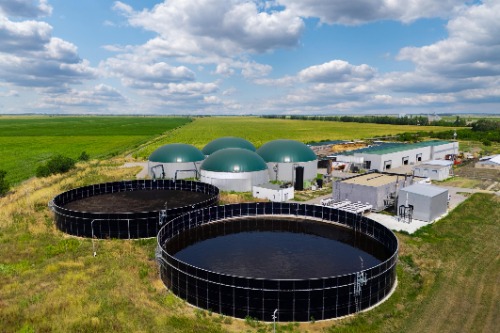
The ownership transfers were completed in August 2026, according to Byont Deutschland. The acquired facilities are located in Wietmarschen, in Lower Saxony, and Voelpke, in Saxony-Anhalt.
The acquisitions expand Byont’s presence in the German biogas market as the company plans further technical and economic development at both sites. Biomethane is already being produced at the Voelpke facility, while production at Wietmarschen is expected to begin following an upgrade.
Byont expands its German biogas portfolio
The two acquisitions bring Byont Deutschland’s total number of German plants to four. The operating companies at the acquired sites have also been renamed as part of the ownership change.
Bioenergie Badeleben GmbH & Co KG is now Byont Badeleben GmbH & Co KG, while Bioenergie Schwartenpohl GmbH & Co KG has become Byont Schwartenpohl GmbH & Co KG.
Byont said it intends to improve the technical performance and economic development of both facilities. The company has not disclosed specific investment amounts, upgrade budgets or timelines for the planned improvements in the supplied announcement.
The expanded portfolio gives Byont a larger operating base in Germany, although the announcement does not specify how the reported capacity of approximately 160 GWh per year is distributed among its four plants.
Biomethane production at different stages across the two sites
The two acquired facilities are at different stages of biomethane production.
At Voelpke in Saxony-Anhalt, biogas is already being upgraded to biomethane. The process removes carbon dioxide and other impurities to produce a gas with a higher methane concentration, making it suitable for applications requiring biomethane specifications.
At Wietmarschen in Lower Saxony, biomethane production is expected to commence after the facility’s planned upgrade is completed.
Byont said it feeds the renewable gas produced by its operations into the local gas grid. Grid injection enables biomethane to enter the existing gas distribution system for use by customers, subject to applicable gas-quality and network requirements.
The company has not provided a commissioning date for biomethane production at Wietmarschen or disclosed the expected output from either acquired site individually.
German biogas market: portfolio expansion and biomethane upgrading
Byont’s acquisitions bring together existing biogas operations and opportunities to expand biomethane production. The distinction matters because conventional biogas production and biomethane upgrading represent different stages in the renewable gas value chain.
Biogas is generated through the anaerobic digestion of organic materials. Where facilities include upgrading equipment, the resulting biomethane can be supplied to gas networks, provided it meets the relevant technical and regulatory requirements.
For Byont, completing the Wietmarschen upgrade would extend biomethane production across another site in its German portfolio. The scale of that contribution will depend on the plant’s technical configuration, available feedstock, operating performance and commissioning schedule, none of which was quantified in the announcement.
The reported portfolio capacity of approximately 160 GWh annually provides an indication of Byont’s expanded German operations. However, the company has not specified whether this figure represents biogas energy output, upgraded biomethane production or another capacity measure. It should therefore be reported as the company’s stated annual production capacity without assuming that the entire amount is biomethane.
Bioenergy Business Analysis
Byont’s acquisition of two additional German biogas plants reflects a portfolio-expansion strategy that combines existing renewable gas production with opportunities to improve facility performance and increase biomethane output. Acquiring operating assets can provide a route into established markets, while targeted upgrades may help unlock additional value from infrastructure that is already in place.
The different operating stages at Voelpke and Wietmarschen illustrate the importance of execution following an acquisition. Voelpke already upgrades biogas to biomethane, whereas Wietmarschen requires further investment and technical work before its planned biomethane production can begin. The timing and cost of that upgrade will influence how quickly the acquired portfolio can contribute to the company’s biomethane operations.
The key indicators to watch are the completion of the Wietmarschen upgrade, the resulting biomethane production volumes and the utilisation of the four-plant portfolio. These details would help establish how much additional renewable gas the acquisitions deliver and how effectively Byont converts its expanded asset base into commercial output.