


Sarawak, Malaysia, is targeting 15,000 megawatts (MW) of electricity generation capacity by 2035, with at least 60% expected to come from renewable energy sources, as the state advances major power projects and plans to expand electricity exports across Southeast Asia.
Sarawak Minister of Utility and Telecommunication Datuk Seri Julaihi Narawi said three major projects with a combined capacity of 3,285 MW are being implemented to support the state’s electricity development plans. These include the Baleh hydroelectric project, the Samalaju Combined Cycle Power Plant (CCPP) and the Miri Combined Cycle Gas Turbine (CCGT) project.
The projects span hydropower and gas-fired generation, reflecting a development programme that combines renewable electricity expansion with additional dispatchable generation capacity.
Julaihi outlined the plans while concluding debate on his ministry at the Sarawak State Legislative Assembly, according to Malaysian national news agency Bernama.
Sarawak Advances 3,285 MW Across Three Power Projects
The three projects have different capacities and commissioning schedules, with some units expected to begin operating before 2030.
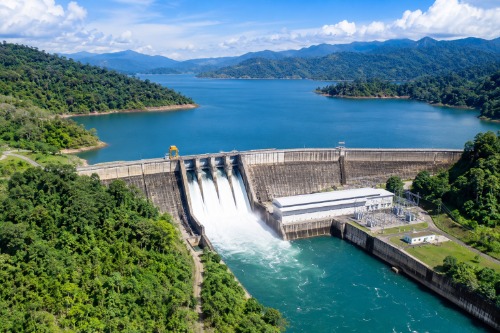
The Baleh hydroelectric plant, with a planned capacity of 1,285 MW, is expected to begin operations in the fourth quarter of 2029.
Hydropower is expected to contribute to Sarawak’s renewable electricity portfolio and support its longer-term capacity ambitions. The project’s contribution to the state’s 2035 renewable share will depend on its commissioning progress and the generation delivered once operational.
The Samalaju Combined Cycle Power Plant is planned to add 1,500 MW of capacity in stages.
According to Julaihi, Block 3, with a capacity of 500 MW, is scheduled to begin operating in the first quarter of 2027. Blocks 1 and 2, with a combined capacity of 1,000 MW, are expected to begin operating in the second quarter of 2027.
Combined-cycle power plants use gas turbines alongside steam turbines to generate electricity from the heat produced during combustion, improving fuel utilisation compared with a simple-cycle configuration.
The Miri Combined Cycle Gas Turbine project has reached 63% physical progress and is expected to start operating in the fourth quarter of 2027, Julaihi said. The project is intended to add 500 MW of generation capacity to Sarawak’s electricity system.
Although the three projects total 3,285 MW, only the Baleh hydroelectric project is identified in the supplied announcement as a renewable generation project. The Samalaju and Miri projects are gas-fired facilities and should not be counted towards the state’s renewable capacity target without further evidence about their configuration and qualifying generation sources.
Sarawak Plans Electricity Exports to Brunei, Singapore and Peninsular Malaysia
Alongside domestic capacity expansion, Sarawak is seeking to strengthen its position as the “Battery of ASEAN” through regional electricity interconnections under the Borneo Power Grid and ASEAN Power Grid initiatives.
Julaihi said Sarawak currently exports an average of 100 MW of electricity to West Kalimantan, Indonesia, and 30 MW to Sabah, Malaysia.
The proposed export volumes remain subject to project development and the relevant discussions, studies and agreements. They represent planned capacity rather than confirmed operational exports.
These projects would require transmission infrastructure and appropriate interconnection arrangements to move electricity between markets. The timing and scale of future exports will depend on the progress of those developments and the availability of power for domestic and external demand.
Renewable Energy Target Raises Questions About Future Generation Mix
Sarawak’s target of 15,000 MW of generation capacity by 2035, with at least 60% from renewable sources, places hydropower at the centre of its stated expansion strategy.
However, the three projects highlighted by the minister include 2,000 MW of combined-cycle gas-fired generation and 1,285 MW of hydropower. Together, they account for the announced 3,285 MW of capacity under implementation.
The distinction between total generation capacity and renewable capacity is important. The overall target does not mean that all new projects will be renewable, and the supplied announcement does not provide a complete breakdown of Sarawak’s existing generation mix or the additional renewable projects required to meet the 2035 objective.
The state’s export ambitions add another consideration: domestic electricity demand, new industrial loads and cross-border commitments will all influence how much generation is available for export.
Bioenergy Business Analysis
Sarawak’s electricity strategy combines a substantial capacity target with ambitions to supply neighbouring markets. Its progress will depend on how effectively the state coordinates renewable generation, dispatchable power, transmission infrastructure and regional electricity trade.
For energy-sector investors and policymakers, the key indicators to watch are the delivery of the three projects, progress on regional interconnections and publication of a more detailed renewable capacity pathway. These will help determine whether Sarawak can expand its electricity system while meeting its stated renewable target and export ambitions.


