


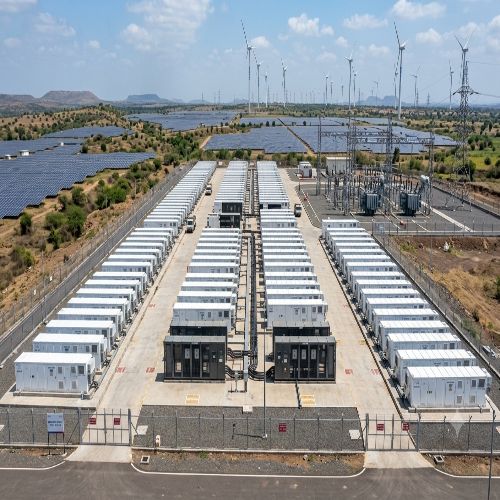
LG Energy Solution and Energix-Renewable Energies Ltd. have signed a non-binding memorandum of understanding (MoU) to explore expanding their battery energy storage system (BESS) collaboration across Europe and North America.
Under the agreement, the companies will explore the potential supply of approximately 2 GWh of battery storage solutions over the next 24 months, comprising 1.5 GWh for European projects and 0.5 GWh for the US market. They will also discuss increasing the potential total supply to approximately 4.5 GWh, including 3 GWh in Europe and 1.5 GWh in North America.
The proposed partnership is intended to combine LG Energy Solution’s battery storage technology and regional manufacturing capabilities with Energix’s renewable energy development expertise and project pipeline.
As the MoU is non-binding, the proposed volumes remain subject to further discussions and project development.
Partnership targets European and North American energy storage markets
The companies plan to review Energix’s renewable energy project pipeline regularly and assess opportunities to deploy additional energy storage systems.
Battery energy storage systems can help address the variability of wind and solar generation by storing electricity when supply is available and releasing it when needed. Their deployment can also support grid flexibility and the integration of renewable power into electricity networks.
For LG Energy Solution, the proposed agreement offers a potential route to expand its participation in utility-scale energy storage projects across Europe and North America. For Energix, the collaboration could provide access to battery storage solutions for projects in its development portfolio.
Energix develops, owns and operates renewable energy and energy storage projects. The company has a long-term growth strategy targeting a global portfolio exceeding 8 GW.
Previous collaboration in Poland and Lithuania project discussions
The MoU builds on the companies’ existing relationship in Europe. LG Energy Solution previously supplied battery solutions for Energix’s Nowe Czarnowo project in Poland.
The companies are also discussing potential cooperation on Energix’s Jonava renewable energy project in Lithuania. The hybrid project involves approximately 320 MWh of energy storage capacity and is targeted to begin commercial operations in 2027.
The discussions around Jonava illustrate one potential application of battery storage within a renewable energy project. However, the companies have not confirmed a final supply agreement for the project in the announcement.
LG Energy Solution seeks to expand global ESS business
LG Energy Solution said the agreement could help expand its energy storage business and strengthen its customer base in international markets.
Changbeom Kang, ESS Battery Division Leader at LG Energy Solution, said the collaboration could create additional business opportunities in Europe and North America.
He added that the company intended to use its technology and local manufacturing capabilities to support the expansion of its global energy storage business.
Asa Levinger, CEO of Energix Group, described the MoU as a step in strengthening the companies’ long-term relationship. He said Energix would explore opportunities to deploy energy storage solutions across its project pipeline and support renewable energy development in its core markets.
Bioenergy Business Analysis
The proposed LG Energy Solution–Energix collaboration reflects the growing role of battery energy storage in renewable power development. As electricity systems accommodate more variable wind and solar generation, storage can help shift electricity supply across time periods, improve operational flexibility and support grid reliability.
The partnership highlights how renewable energy developers and battery suppliers can work together to develop storage capacity alongside generation assets. Projects such as the proposed Jonava collaboration could demonstrate how storage is incorporated into hybrid renewable energy infrastructure, although the final arrangements remain to be confirmed.
The next indicators to watch are whether the companies convert the MoU into binding supply agreements, identify specific projects for deployment and confirm delivery schedules. These developments will help establish the scale and timing of the partnership’s contribution to


