


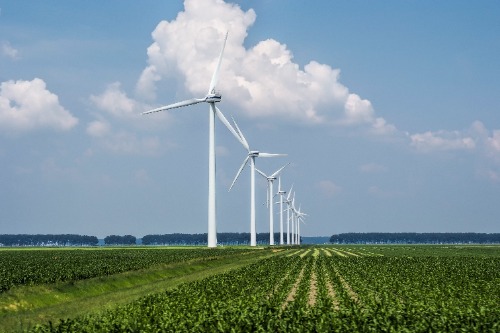
Odisha has attracted prospective clean energy investment proposals worth approximately ₹1.17 lakh crore through 18 memoranda of understanding (MoUs), with the proposed projects representing a tentative capacity addition of 11,742 MW across renewable power, energy storage and emerging clean energy technologies.
The agreements were exchanged at the Bharat Renewable Energy Summit & Expo 2026 in New Delhi on 3 November, in the presence of Odisha Chief Minister Mohan Charan Majhi and Deputy Chief Minister Kanak Vardhan Singh Deo. According to the state government, the proposals cover pumped storage hydropower, solar and wind power, hybrid renewable energy, battery energy storage, green hydrogen, green data centres and other emerging technologies.
The proposed investment figure was reported more precisely at ₹1,17,557 crore, with the associated capacity addition estimated at 11,742 MW. The agreements represent a prospective project pipeline rather than completed investments or commissioned infrastructure.
Companies and institutions participating in the agreements
The industry partners named in the agreements include Hinduja Renewables Energy Pvt Ltd, ReNew Green, Shivalaya Construction Ltd, Suzlon Renewable Development Ltd, MeghaMani Renew Energy Pvt Ltd, Evergreen Renewables Pvt Ltd, Datta Power Infra Pvt Ltd, CD Hydro, GSP Infra, Virudhaka Renewable Energy Pvt Ltd, MACLEC Technical Project Laboratory Pvt Ltd, Fenice Hydrogen, Ravi Renewables Pvt Ltd and XPERTNEST.
The India Energy Storage Alliance (IESA) was also among the organisations involved.
Separately, Grid Corporation of Odisha (GRIDCO) signed institutional cooperation agreements with the Centre for Mission on Energy Transition at Maulana Azad National Institute of Technology (MANIT), Bhopal; Madhya Pradesh Urja Vikas Nigam Ltd; and IIT Bhubaneswar.
These collaborations are intended to support renewable energy integration, grid modernisation, technical research, knowledge sharing and the development of emerging power-system technologies.
Odisha outlines renewable energy targets for 2030 and 2047
The investment proposals form part of Odisha’s wider strategy to expand non-fossil energy capacity and strengthen its electricity infrastructure.
Chief Minister Majhi said the state aims to source 74% of its total installed power capacity from non-fossil fuel sources by 2047. He also outlined a target of meeting at least 33% of industrial electricity consumption through green power at competitive tariffs.
The state has sanctioned ₹15,948 crore under the Mukhya Mantri Shakti Bikash Yojana to modernise and expand its electricity transmission network. The investment is intended to strengthen the infrastructure needed to integrate additional renewable generation and support future industrial demand.
Union Minister for New and Renewable Energy Pralhad Joshi highlighted opportunities in pumped storage, floating solar, wind power, energy storage, green hydrogen and green ammonia during the summit.
Deputy Chief Minister Singh Deo also identified Gopalpur and Paradip as potential locations for green hydrogen and green ammonia hubs. He said Odisha had met a peak electricity demand of approximately 6,242 MW during the summer without scheduled load shedding.
State targets 10.96 GW of renewable energy capacity by 2030
Union renewable energy secretary Santosh Kumar Sarangi highlighted Odisha’s target of achieving 10.96 GW of renewable energy capacity by 2030 under the Odisha Renewable Energy Policy, 2022.
According to figures cited by Sarangi at the summit, the state had installed renewable energy capacity of 3,641.23 MW as of 30 September 2026.
The 11,742 MW capacity addition envisaged through the latest proposals is substantial relative to the existing renewable energy base. However, the proposed portfolio includes storage and emerging energy technologies alongside renewable generation, so the entire figure should not be interpreted as additional commissioned renewable electricity generation capacity.
The Odisha State Plenary on investment opportunities in the renewable energy sector attracted more than 900 delegates, including industry representatives, investors and other stakeholders.
Bioenergy Business Analysis
Odisha’s latest investment proposals indicate an effort to develop a broader clean energy ecosystem encompassing renewable electricity generation, storage, green hydrogen and supporting infrastructure.
The inclusion of pumped storage and battery energy storage is particularly relevant to the state’s plans for integrating larger volumes of variable solar and wind generation. Storage infrastructure can help balance electricity supply and demand, improve grid flexibility and support the integration of renewable power.
The proposed green hydrogen and ammonia hubs at Gopalpur and Paradip could also create opportunities for renewable energy developers, electrolyser technology providers and industrial infrastructure companies.
However, the ₹1.17 lakh crore figure represents prospective investment associated with MoUs, not capital already deployed. The projects will need to progress through subsequent stages, including detailed planning, financing, land and infrastructure arrangements, regulatory approvals and implementation.



