


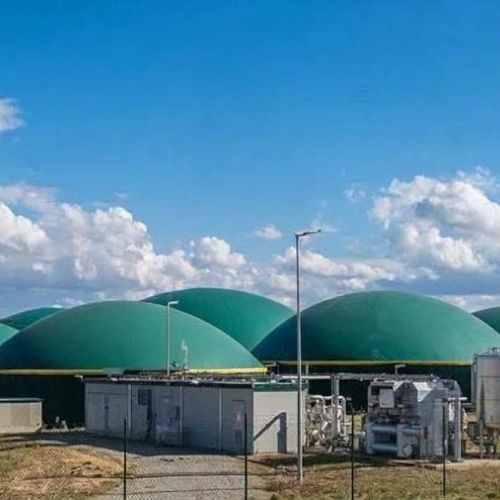
Punjab has approved the award of a proposed 300-tonne-per-day (TPD) compressed biogas (CBG) project for the Mohali region to HPCL Renewable and Green Energy Limited (HPRGE), advancing a waste-to-energy initiative that has remained stalled for more than a decade. The facility, planned at Samgauli village in Dera Bassi, will process segregated wet municipal waste from nine urban local bodies to produce compressed biogas and organic manure.
The Punjab cabinet has cleared the project for HPRGE, a wholly owned subsidiary of Hindustan Petroleum Corporation Limited (HPCL), on a nomination basis, according to a November 1 report by Hindustan Times. The approval follows an earlier decision by the Mohali Municipal Corporation (MC) House in August 2026 to allot land for the proposed facility.
With a planned processing capacity of approximately 300 tonnes of wet waste daily, the project is intended to provide a regional solution to mounting municipal waste disposal challenges while creating a pathway for converting biodegradable waste into usable fuel and agricultural inputs.
Mohali CBG Plant to Process Waste from Nine Urban Local Bodies
The proposed facility will receive segregated wet municipal waste from nine urban local bodies (ULBs): Mohali, Zirakpur, Kharar, Nayagaon, Dera Bassi, Kurali, Lalru, Banur and Gharuan.
In addition to municipal wet waste, the plant is expected to receive approximately 15–20 tonnes of cattle dung daily. Combining these feedstocks will provide the facility with an additional organic input for biogas production.
The project is designed to divert a substantial volume of biodegradable municipal waste from conventional disposal routes and establish a regional waste-processing facility serving multiple urban centres.
HPCL Renewable to Develop the Facility at Samgauli
HPRGE will be responsible for establishing the proposed CBG plant, while the Mohali Municipal Corporation will serve as a key civic stakeholder.
The municipal corporation has approximately 39 acres of land at Samgauli, of which 15–20 acres have been proposed for the project under a long-term land arrangement. Earlier proposals envisaged providing the land to HPRGE for 30 years, either free of cost or at a nominal lease rate, subject to mutually agreed conditions and applicable approvals.
The company has sought assistance from the municipal corporation and the Greater Mohali Area Development Authority (GMADA) on several implementation requirements, including:
- Land allocation and demarcation.
- Construction of an approach road for waste transportation and project vehicles.
- Assistance with statutory clearances.
- Reliable supply of segregated municipal wet waste.
- Facilitation of electricity, water and other essential utilities.
The proposed arrangement also requires formal agreements covering land leasing and waste supply. These will be important in establishing the operational responsibilities of the participating civic bodies and the project developer.
Project Seeks to Address Mohali’s Growing Waste Disposal Challenges
The approval comes amid mounting pressure on Mohali’s municipal waste management infrastructure.
According to Hindustan Times, the city generates approximately 100 tonnes of municipal waste daily, including around 40 tonnes of wet waste. The closure of the Phase 8-B dumping ground and operational constraints at existing processing facilities have further complicated waste disposal.
The Samgauli project has faced repeated delays, with earlier efforts to attract suitable bidders failing to move the proposal forward. The requirement for road connectivity to the proposed site has also been identified as an infrastructure constraint.
The project was first formally advanced through HPRGE’s proposal to the Punjab Municipal Infrastructure Development Company in August 2024. In August 2026, the Mohali Municipal Corporation House approved the proposal to allot municipal land for the facility.
The latest cabinet decision represents a further administrative step towards implementation, although land arrangements, infrastructure development and other project formalities remain important milestones.
₹21 Crore Waste Management Overhaul Includes Samgauli Infrastructure
The proposed CBG facility forms part of a broader effort by the Mohali Municipal Corporation to strengthen the city’s solid waste management infrastructure.
The civic body has earmarked ₹6 crore for a solid waste processing facility at Samgauli as part of a wider ₹21-crore waste management programme.
The allocation is intended to support the construction of sheds and boundary walls for waste segregation and processing. The infrastructure is expected to provide additional waste treatment capacity following the closure of the Phase 8-B disposal site.
The development of supporting facilities alongside the CBG plant will be important for establishing an integrated waste management system. This would involve collecting waste from participating urban bodies, segregating biodegradable material, transporting it to the processing site and managing the resulting products.
Bioenergy Business Analysis
The proposed Samgauli facility highlights the growing role of compressed biogas in connecting India’s municipal solid waste management priorities with renewable fuel production. By aggregating wet waste from nine urban local bodies, the project adopts a regional processing model rather than relying exclusively on individual municipal disposal facilities.
From a renewable fuel perspective, the facility could create an additional source of compressed biogas while producing organic manure from biodegradable municipal waste. Its wider significance will depend on actual production volumes, operating performance and the arrangements established for marketing or utilising both outputs. The available project information does not yet specify the expected daily CBG output or the investment value.
For Punjab, the project offers an opportunity to demonstrate how municipal waste streams can support decentralised renewable fuel production while addressing urban disposal challenges. Its eventual performance could provide useful lessons for other growing urban clusters considering integrated waste-processing and CBG infrastructure.



