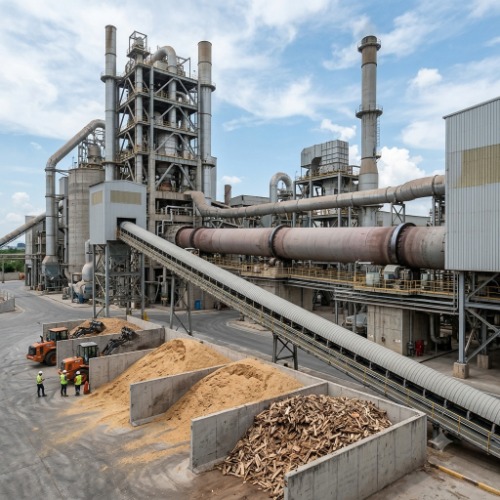
Indonesian cement producer PT Semen Indonesia (Persero) Tbk (SIG) has signed a memorandum of understanding (MoU) with the Indonesian Biomass Energy Society (MEBI) to expand the use of biomass, biomass residues and waste-derived fuels as substitutes for fossil fuels in cement manufacturing.
The collaboration will focus on researching alternative fuel resources, developing supply arrangements, assessing their socio-economic and environmental benefits, and ensuring regulatory compliance. It is intended to strengthen the availability of alternative fuels for SIG’s cement plants while reducing reliance on fossil fuels.
The MoU was signed on 4 November 2026 at JIExpo Kemayoran in Jakarta, during HEATECH Indonesia 2026. Muhammad Taqiyuddin Fanani, Group Head of Strategic Growth and ESG at SIG, and Widi Pancono, Deputy Chairperson of MEBI, signed the agreement.
SIG announced the partnership on 10 November.
SIG reports 501,264 tonnes of alternative fuel use
SIG’s collaboration with MEBI builds on the company’s existing use of alternative fuels in cement production.
By the third quarter of 2026, alternative fuel consumption across SIG’s plants had reached 501,264 tonnes. The company’s thermal substitution rate (TSR) increased to 10.35%, compared with 9.58% in the corresponding period of 2025.
The alternative fuel portfolio includes biomass, industrial waste and refuse-derived fuel (RDF). The reported 501,264-tonne figure covers these fuel categories collectively and does not represent biomass consumption alone.
SIG Corporate Secretary Vita Mahreyni said the partnership supports the company’s efforts to increase renewable energy use, particularly biomass, while creating value from agricultural residues.
“The use of biomass aims to reduce dependence on fossil fuels and emissions from the production process. This strategic step also opens up new economic opportunities by processing waste into valuable products. The collaboration with MEBI is expected to increase biomass supply to support production reliability at SIG factories,” Mahreyni said.
She added that SIG is also optimising the use of industrial waste and RDF as alternative fuels in its manufacturing operations.
MEBI to support alternative fuel sourcing and co-firing
MEBI Chairman Milton Pakpahan said the organisation would support SIG in sourcing alternative fuels derived from waste, biomass residues and biomass for use as substitutes for coal.
The society has experience supporting alternative fuel supply for co-firing in the electricity and non-electricity industries. It also has members involved in the production and export of biomass-based fuels.
“MEBI has strong competence and a track record in utilising alternative fuels to replace fossil fuels. MEBI has been actively supporting the provision of alternative fuels for co-firing in the electricity and non-electricity industries. A number of biomass products have even been exported internationally,” Pakpahan said.
The collaboration is intended to extend beyond fuel procurement. Its scope includes evaluating resource availability, establishing supply arrangements and addressing regulatory requirements associated with alternative fuel use.
MEBI’s separate account of the agreement also identifies sustainable co-firing across SIG’s cement plants as a key objective. It notes that biomass supply availability and price competitiveness compared with coal remain challenges for wider adoption.
Biomass and waste offer alternative fuel sources for cement plants
Cement manufacturing requires substantial thermal energy, traditionally supplied by fossil fuels such as coal. Replacing part of this fuel requirement with biomass and suitable waste-derived alternatives can reduce dependence on conventional fuels.
SIG uses several categories of alternative fuels, including biomass such as agricultural residues, industrial waste and RDF produced from municipal waste. These materials have different characteristics and require appropriate processing, quality control and handling before they can be used in cement kilns.
The proposed collaboration also addresses waste management. Agricultural residues and other biodegradable materials can create disposal challenges when not properly managed. Converting suitable waste streams into alternative fuels can provide an additional use for these materials while supporting the cement industry’s fuel substitution efforts.
Pakpahan said the partnership could contribute to addressing Indonesia’s waste and biomass residue challenges alongside supporting the country’s net-zero emissions ambitions.
Bioenergy Business Analysis
The SIG–MEBI agreement highlights the potential role of biomass supply chains in decarbonising energy-intensive industries beyond the power sector. Cement manufacturing is a significant user of thermal energy, making fuel substitution an important operational route for reducing dependence on coal.
SIG’s reported 10.35% thermal substitution rate in the third quarter of 2026 indicates that alternative fuels are already contributing to its energy mix. However, the 501,264 tonnes consumed includes biomass, industrial waste and RDF. The company has not disclosed the separate contribution of each category in the announcement.
For the biomass sector, the partnership could create opportunities to develop agricultural residue collection, processing and supply networks. Reliable feedstock availability, consistent fuel quality, transportation costs and price competitiveness will influence how much biomass cement manufacturers can use.
Related: Read about the 21 MW biomass heating project in Tours.