


Rayonier started construction of a 70 MW biomass cogeneration facility at its Jesup manufacturing site in Georgia, with the Altamaha Green Energy project expected to begin commercial operations in 2029.
The project is being developed by Rayonier Advanced Materials in partnership with Albioma and the Beasley Group. Once operational, the facility will supply renewable electricity under a long-term power purchase agreement with Georgia Power while also providing process steam to Rayonier’s Jesup manufacturing facility.
Altamaha Green Energy to use regional forestry residues
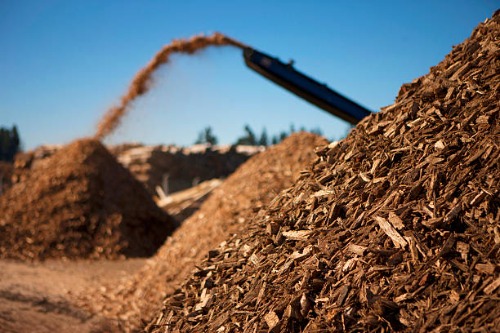
The Altamaha Green Energy facility will be fuelled by forestry residues sourced from the regional forestry industry. The Beasley Group is supporting feedstock procurement for the project.
Using locally available forestry residues will allow the cogeneration facility to combine electricity generation with the supply of process steam required by Rayonier’s industrial operations.
The project is therefore structured around both renewable power generation and industrial heat requirements, rather than electricity production alone.
Rayonier to retain minority project ownership
Rayonier Advanced Materials expects to maintain an initial 14% equity interest in Altamaha Green Energy through its land contribution and previous investments in the project.
The company also has an option to acquire additional equity, potentially increasing its ownership to 16%.
Rayonier expects the project to generate approximately $8 million to $10 million in annual distributions once the facility reaches commercial operation.
The company also estimates that the project could help it avoid approximately $30 million in future capital expenditure that would otherwise have been required to maintain and replace existing utility assets at the Jesup site.
Long-term power agreement supports renewable electricity output
Electricity generated by the biomass facility will be sold to Georgia Power under a long-term power purchase agreement.
At the same time, steam generated through the cogeneration process will be supplied to Rayonier’s Jesup manufacturing operations.
This arrangement gives the project two primary energy outputs: renewable electricity for the power market and process steam for an industrial consumer.
“This is an important milestone for Altamaha Green Energy and a compelling example of how we can unlock additional value from RYAM’s existing asset base,” said Dan Krawczyk, President and Chief Executive Officer of Rayonier Advanced Materials.
Commercial operations targeted for 2029
Construction has now commenced, with commercial operations targeted for 2029, according to Rayonier Advanced Materials.
The project builds on the existing industrial infrastructure at the Jesup site while creating a dedicated biomass energy asset linked to the regional forestry supply chain.
For Rayonier, the development also provides a mechanism to participate financially in the project while addressing future utility infrastructure requirements at its manufacturing facility.
Bioenergy Business Analysis
The Altamaha Green Energy project illustrates a model in which biomass generation is integrated directly with an existing industrial manufacturing operation. Rather than relying solely on electricity sales, the facility is designed to monetise both renewable power and process steam, while using forestry residues available within the surrounding regional supply chain.
The project also creates a financial and infrastructure benefit for Rayonier Advanced Materials. Its expected annual distributions of $8 million to $10 million would provide an ongoing project-related revenue stream, while the company’s estimate of $30 million in avoided future capital expenditure indicates that replacing existing utility infrastructure is an important component of the project’s economics. The key factors to monitor through construction and commissioning will include forestry-residue availability, project execution, operating performance and the eventual delivery of the contracted power and steam.