


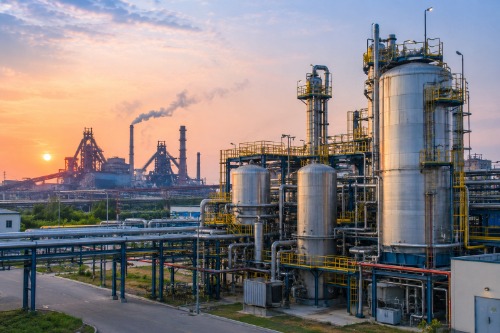
China-based Hebei Shoulang New Energy Technology Co., Ltd. has secured International Sustainability and Carbon Certification (ISCC EU) status as a Recycled Carbon Fuel (RCF) producer, opening a regulatory pathway for certified ethanol made from steel mill waste gases to enter eligible European transport fuel markets.
The facility, located in Tangshan, Hebei Province, uses gas fermentation technology licensed from LanzaTech Global, Inc. to convert industrial waste gases generated during steel production into ethanol. The certification covers sustainability compliance, greenhouse gas (GHG) emissions accounting and supply-chain traceability under the ISCC EU framework, according to an announcement by LanzaTech on 21 October 2026.
The companies describe the achievement as the world’s first ISCC EU RCF certification for ethanol produced from steel mill waste gases. The certification could help the facility access regulated fuel markets where recycled carbon fuels qualify under applicable rules.
Certification Opens a Pathway to European Fuel Markets
The ISCC EU certification provides a framework for demonstrating compliance with sustainability and greenhouse gas emissions requirements associated with the European Union’s Renewable Energy Directive (RED). It can support the recognition of eligible ethanol volumes as recycled carbon fuels in EU marine and road transport markets and potentially in aviation fuel markets in the EU and UK, subject to the additional requirements applicable to each market.
The certification was issued under the ISCC EU scheme following an audit conducted by SCS Global Services and its China-based affiliate, Beijing Green Forest Certification.
ISCC EU certification is also approved for demonstrating compliance with relevant requirements under the UK’s Renewable Transport Fuel Obligation (RTFO) and UK Sustainable Aviation Fuel (SAF) Mandate, according to the announcement. Actual eligibility for particular fuels and end uses depends on the relevant regulatory rules and compliance criteria.
Steel Mill Waste Gases Become an Ethanol Feedstock
Hebei Shoulang is a wholly owned subsidiary of Beijing Shougang LanzaTech Technology Co., Ltd. (SGLT; 02553.HK). Its production process uses LanzaTech’s patented gas fermentation technology to convert carbon-containing industrial waste gases into ethanol.
Rather than relying exclusively on conventional agricultural or sugar-based feedstocks, this pathway recovers carbon from industrial gas streams and converts it into a usable fuel intermediate. The resulting ethanol can potentially serve transport fuel applications, subject to the processing, sustainability and technical specifications required for each end use.
The certification establishes a verified framework for the facility’s eligible fuel volumes. It does not, by itself, establish the quantity of ethanol that will be sold into Europe, the emissions savings achieved by each batch or the commercial value of future sales.
RED III and the Role of Recycled Carbon Fuels
The EU’s revised Renewable Energy Directive, commonly known as RED III, establishes stronger renewable energy objectives and transport-sector decarbonisation requirements. EU member states implement these objectives through national measures, with the treatment of recycled carbon fuels depending on the applicable provisions and national rules.
For fuel producers and suppliers, sustainability certification can help demonstrate that eligible products meet the required criteria. Relevant documentation includes greenhouse gas emissions calculations and chain-of-custody records tracing fuel through the supply chain.
For Hebei Shoulang, ISCC EU certification provides a documented basis for presenting qualifying ethanol volumes to prospective buyers operating in regulated markets. Whether those volumes can count towards a particular national target or mandate must be assessed against the applicable legislation and compliance rules.
LanzaTech and Partners Support Certification Process
LanzaTech said sustainability consultancy Meo Carbon Solutions supported the certification process, including work related to regulatory requirements and certification pathways.
The company also worked with Brookfield to address renewable electricity requirements associated with the facility’s certification pathway. LanzaTech described this as a complex element of the process that could inform future certifications for recycled carbon fuels.
Qingkun Song, deputy general manager of SGLT, said the certification demonstrates the commercial relevance of carbon recycling in regulated fuel markets and supports the development of certified lower-carbon fuels.
Dario Formenti, senior manager and technical lead for aviation and maritime at ISCC System GmbH, said the certification supports the development of supply chains using innovative feedstocks and production pathways.
Don Scott, programme director at SCS Global Services, said the audit confirmed that Hebei Shoulang’s chain-of-custody system and greenhouse gas accounting met the requirements of the ISCC EU scheme.
Dr Carola Krevert, senior project manager and team lead for new market certification at Meo Carbon Solutions GmbH, highlighted the role of local market knowledge and regulatory expertise in completing the process.
Dr Jennifer Holmgren, LanzaTech’s chief executive officer and board chair, said the certification could create a near-term route to monetise recycled-carbon ethanol in European marine and road markets, while providing a basis for pursuing aviation fuel opportunities in the EU and UK.
The wider marine-fuel market context is explored in India’s alternative marine fuel bunkering roadmap. Fuel certification and port infrastructure address distinct requirements in developing transport-fuel supply chains.
Bioenergy Business Analysis
The certification highlights the growing importance of carbon recycling technologies in the development of alternative transport fuels. By converting steel mill waste gases into ethanol, Hebei Shoulang demonstrates a route for recovering industrial carbon and directing it towards fuel production rather than treating the gas stream solely as an industrial by-product.
The immediate commercial significance lies in access to regulated markets. ISCC EU certification provides documentation that can help fuel producers demonstrate compliance with sustainability and emissions-accounting requirements. Under RED III, recycled carbon fuels may count towards certain transport-related targets where permitted, subject to applicable greenhouse gas savings thresholds and national implementation rules.
The renewable electricity requirements addressed during the certification process are another important consideration. They indicate that qualifying a recycled carbon fuel pathway can involve more than demonstrating the technical ability to convert industrial waste gases into ethanol. Energy sourcing, lifecycle emissions accounting and traceability can all affect whether a product qualifies for regulated markets.


