


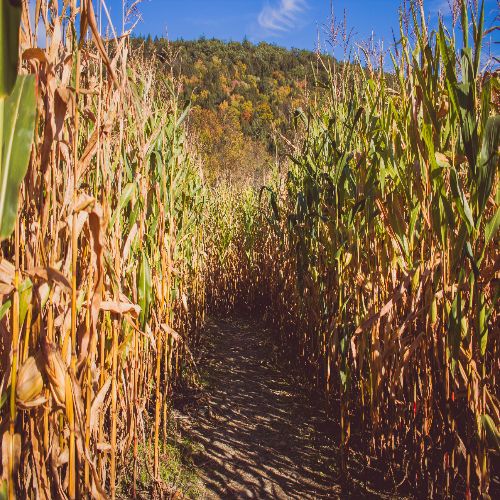
Sugarcane cultivation in Uttar Pradesh’s Fatehpur district has declined by 466 hectares, even as increased demand for ethanol is raising farmers’ expectations of higher sugarcane prices ahead of the upcoming procurement season.
In the Bindki area, the area under sugarcane has fallen from 4,974 hectares last year to 4,508 hectares this year, according to a local report. Haidergarh Sugar Mill is preparing to procure cane through 12 designated centres, with purchases expected to begin by November 20.
Sugarcane prices could increase by ₹25–30 per quintal, according to expectations reported locally. However, the revised price has not yet been officially announced, and the procurement target for the upcoming season remains undetermined.
The development comes as ethanol production continues to influence demand for sugarcane and other feedstocks in India’s fuel market. For farmers, the anticipated price revision will be an important consideration when deciding whether to continue cultivating sugarcane.
Sugarcane Procurement Plan Targets 4,855 Farmers
Haidergarh Sugar Mill has completed a survey of sugarcane cultivation in its procurement area and is preparing its purchasing infrastructure for the upcoming season.
The survey covered 3,681.928 hectares, and the mill expects to procure sugarcane from approximately 4,855 farmers. Based on its assessment, the mill estimates that purchases could reach between 1 million and 1.2 million quintals.
Last season, the mill had set a procurement target of 1.05 million quintals but weighed only 482,000 quintals of sugarcane supplied by 2,529 farmers, according to the report.
The difference between the previous target and actual weighment indicates that the mill fell substantially short of its planned procurement volume. The reasons for the shortfall were not detailed in the available report.
Preparations are underway at the procurement centres, with staff assigned responsibilities and arrangements being improved ahead of the expected November 20 start date.
Twelve Centres to Handle Sugarcane Purchases
The mill plans to operate 12 procurement centres across the district to facilitate sugarcane deliveries by farmers.
The procurement network is intended to provide farmers with designated locations for weighing and selling their produce. The final procurement target is expected to be determined after the survey findings are assessed.
Jaswant Singh, identified in the report as Sugarcane Secretary, said,
“Preparations for sugarcane procurement have accelerated. The sugar mill is improving arrangements at the procurement centres. The procurement target has not yet been determined, but procurement is expected to begin by November 20.”
On the expected increase in sugarcane prices, an official statement remarked, “Sugarcane prices are expected to increase by approximately ₹25–30 during the financial year. The survey of farmers has been completed, and the procurement target will be determined soon.”
Cultivation Area Contracts Despite Higher Price Expectations
The decline in sugarcane cultivation presents a challenge for procurement planning. The reported area has contracted by approximately 9.4% compared with the previous year, falling from 4,974 hectares to 4,508 hectares.
Haidergarh Sugar Mill provides farmers with information on cultivation areas and improved farming practices during the sowing period. However, the available information does not establish why farmers have reduced the area planted with sugarcane.
Although farmers are anticipating higher prices, the expected increase has not yet been confirmed through an official rate announcement. Early-season sugarcane was purchased at ₹400 per quintal last year, and the reported expectation of a ₹25–30 increase would place the indicative price at ₹425–430 per quintal if the full increase is applied to the same pricing category.
The final price will depend on the official announcement and the applicable procurement terms.
Local Sugarcane Crushers Raise Payment Concerns
Alongside the official procurement system, traditional sugarcane crushers, locally known as kolhus, are operating in several parts of the district.
According to the report, some crusher operators attract farmers by offering prices above those available at designated procurement centres. However, these transactions can carry payment risks when buyers fail to settle their dues promptly.
The report cites incidents in the Amauli area where several crusher operators allegedly left without paying farmers amounts running into lakhs of rupees.
These reported incidents highlight the importance of payment reliability alongside the price offered for sugarcane. Farmers considering alternative buyers may need to weigh the prospect of a higher price against the risk of delayed or unpaid proceeds.
The extent of the reported losses and the number of farmers affected were not specified in the available material.
The upcoming procurement target and revised sugarcane price remain subject to official confirmation. The report also does not quantify how much of the local demand for sugarcane is attributable specifically to ethanol production.
Bioenergy Business Analysis
Fatehpur’s sugarcane procurement outlook illustrates an important issue at the intersection of agricultural production, sugar processing and India’s ethanol industry that is higher expectations of demand do not automatically translate into an expansion of cultivated area.
For the ethanol sector, reliable sugarcane availability is an important consideration for sugar mills that also supply feedstock for ethanol production. Yet the local report provides no plant-level ethanol production figures, diversion volumes or mill-specific feedstock allocation data. It would therefore be premature to quantify the impact of Fatehpur’s declining cultivation area on ethanol output.
The immediate indicators to watch are the official sugarcane price announcement, the final procurement target, actual deliveries through the 12 centres and the pace of payments to farmers. These measures will offer a clearer picture of whether the upcoming season can meet procurement expectations while maintaining confidence among growers.
For Uttar Pradesh’s broader bioenergy ecosystem, the case reinforces the importance of aligning agricultural incentives, dependable procurement and payment discipline with the feedstock requirements of the ethanol industry.
Related: Karnataka sugar mills seek higher sugar MSP and ethanol procurement, flag cane weighing delays


