Tanzania’s National Carbon Monitoring Centre (NCMC) has pledged technical support to Carbon Bridge as the company explores investment opportunities in the country’s carbon trading sector, according to an announcement about a meeting held during the United Nations Climate Change Conference (COP31) in Antalya, Türkiye.
The discussions brought together NCMC representatives and Carbon Bridge officials to consider opportunities for investment in Tanzania’s carbon market. The company reportedly expressed interest in the country’s potential to generate carbon credits, its investment environment and the regulatory framework governing carbon trading.
NCMC assured the company of technical guidance and coordination during the investment and project implementation process, subject to Tanzania’s applicable laws, regulations and guidelines.
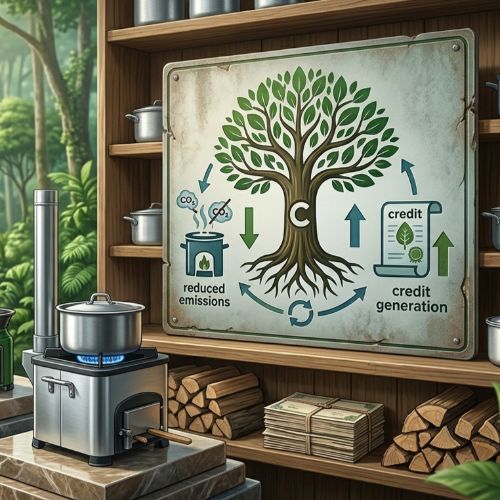
The Centre also noted Carbon Bridge’s existing involvement in clean cooking initiatives, including improved cookstove projects. Such initiatives can generate carbon credits where emissions reductions are demonstrated and meet the relevant monitoring, reporting and verification requirements.
Tanzania’s carbon market spans multiple sectors
Tanzania’s carbon trading framework covers opportunities across forestry, agriculture, energy, water and waste management. The country’s National Carbon Trading Guidelines identify energy, transport, forestry and waste management as priority areas, while also recognising industrial processes and agriculture as potential sources of carbon projects.
Within the energy sector, the guidelines identify opportunities involving renewable energy, energy-efficient technologies, natural gas for cooking and other investments that reduce greenhouse gas emissions. Waste management projects can also generate carbon-market opportunities through improved treatment and management of solid waste, wastewater and faecal sludge.
The NCMC is responsible for coordinating carbon-trading activities and supporting the implementation of the country’s regulatory framework. Tanzania’s guidelines set out procedures for project development, institutional coordination and benefit-sharing arrangements.
Clean cooking offers a route to carbon-credit generation
Carbon Bridge’s reported involvement in improved cookstove projects connects the prospective investment discussions with the clean cooking segment of the carbon market.
Improved cookstoves can reduce fuel consumption and associated emissions compared with less efficient traditional cooking methods. However, the generation and issuance of carbon credits depend on project-specific methodologies, credible emissions accounting and independent verification.
The discussions could provide a route for Carbon Bridge to explore further carbon-credit projects in Tanzania, although no investment amount, project locations, implementation timeline or expected credit volumes were disclosed in the supplied announcement.
Bioenergy Business Analysis
The reported engagement highlights the role of national carbon-market institutions in supporting private-sector investment, including projects linked to clean cooking and energy efficiency. Tanzania’s regulatory framework provides a basis for carbon-credit development across several sectors, but investment interest should not be confused with a confirmed project commitment.
For the clean cooking sector, the commercial opportunity will depend on project design, demonstrable emissions reductions, monitoring and verification, and the distribution of benefits to participating communities. Further details on Carbon Bridge’s proposed investments would be needed to assess the scale and likely impact of the engagement.