Thailand is stepping up efforts to increase biodiesel consumption as part of a wider strategy to reduce dependence on imported fossil fuels and strengthen domestic energy security, with the government encouraging greater adoption of B20 diesel and E20 petrol.
Prime Minister Anutin Charnvirakul outlined the policy direction on 14 November 2026, highlighting the role of biofuel blending in reducing fuel import expenditure and supporting agricultural producers. The initiative is also intended to create additional demand for domestically produced feedstocks, particularly oil palm, sugar cane and cassava.
According to Anutin, daily consumption of B20 diesel has increased from approximately six million litres to between 10 million and 11 million litres following government excise tax reductions. E20 consumption has also risen from around four million litres to six million–seven million litres a day.
The government is positioning domestically produced biofuels as one component of its broader energy security strategy, alongside renewable electricity generation and measures to reduce dependence on imported oil and natural gas.
Thailand uses tax incentives to encourage B20 biodiesel adoption
The latest push builds on a series of government measures introduced in October 2026 to make biofuel-blended fuels more competitive against conventional petroleum products.
On 27 October, Thailand’s Cabinet approved a temporary three-month excise tax reduction of THB5.50 per litre for B20 biodiesel and THB5.60 per litre for E20 petrol.
The measure took effect on 28 October and is scheduled to run until 27 January 2027, subject to any subsequent government decision.
The tax reductions are intended to widen the price difference between biofuel-blended fuels and conventional alternatives, encouraging motorists and transport operators to increase their consumption.
Anutin said B20 was approximately THB10 per litre cheaper than conventional diesel, providing an additional financial incentive for consumers.
The government is also considering longer-term measures to expand access to alternative fuels, including improving the availability of E20 petrol at fuel stations.
Palm oil producers positioned to benefit from biodiesel demand
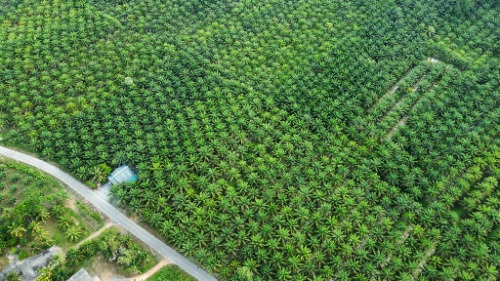
Palm oil is an important feedstock for Thailand’s biodiesel industry, with domestically produced palm oil used to manufacture biodiesel blending components.
Increasing B20 consumption could therefore create additional demand for the country’s oil palm production, potentially supporting agricultural incomes and providing a domestic market for palm oil producers.
Finance Minister Ekniti Nitithanprapas previously highlighted the connection between biofuel incentives and agricultural development when discussing the government’s proposed tax measures on 26 October.
He identified oil palm, sugar cane and cassava as important agricultural feedstocks that could benefit from increased domestic biofuel production.
Thailand’s strategy extends beyond biodiesel. E20 petrol incorporates ethanol produced from agricultural feedstocks, particularly sugar cane and cassava, providing another route to expand domestic renewable fuel consumption.
Energy security remains central to Thailand’s biofuel strategy
Reducing exposure to international fossil fuel markets is a central objective of Thailand’s increased biofuel promotion.
The government’s approach seeks to retain more energy expenditure within the domestic economy by substituting a portion of imported petroleum-based fuels with locally produced renewable alternatives.
In March 2026, Thailand’s government had already announced measures to expand alternative diesel consumption from B7 towards B10 and B20. The policy was intended to support biodiesel demand and stabilise domestic palm oil prices.
The government’s latest policy direction indicates a continued effort to increase the contribution of biofuels to the country’s transport fuel mix.
However, greater biodiesel consumption will also require adequate feedstock availability, production capacity and distribution infrastructure to sustain higher blending demand.
Sustainability considerations remain important for palm oil biodiesel
While expanding domestic palm oil-based biodiesel production could support agricultural markets and reduce reliance on imported fossil fuels, the environmental performance of the feedstock supply chain remains important.
Palm oil production has faced international scrutiny over deforestation, land-use change, biodiversity loss and associated social impacts.
Consequently, expanding biodiesel production will require attention to responsible sourcing, land-use safeguards and traceability throughout the supply chain.
Thailand’s biofuel strategy therefore presents opportunities for domestic agricultural producers and biodiesel manufacturers, while also highlighting the importance of balancing energy security objectives with environmental sustainability.
With B20 consumption reaching 10 million–11 million litres per day, the government’s latest measures indicate growing demand for palm oil-derived biodiesel as part of its wider effort to strengthen domestic energy supply.