


Sugar mills in Uttar Pradesh have reportedly been assigned a target to produce 90 crore litres of ethanol from C-heavy molasses for the 2026–27 ethanol supply year, following restrictions on ethanol production from sugarcane juice, syrup and B-heavy molasses. The shift is expected to change the feedstock mix available to sugar-based distilleries in the state.
According to a report published by Dainik Jagran on 22 November 2026, mills in the state will be required to produce ethanol using C-heavy molasses, with oil marketing companies (OMCs) purchasing the fuel at ₹57.97 per litre. The reported production allocation covers Uttar Pradesh, while individual mill-level quotas have also been listed.
The development follows the central government’s restrictions on sugar diversion towards ethanol during the 2026–27 supply year, which runs from 1 November 2026 to 31 October 2027. Under the policy, ethanol production from sugarcane juice, sugar syrup and B-heavy molasses is not permitted, while C-heavy molasses remains an eligible feedstock.
Sugar-based ethanol production shifts to C-heavy molasses
The restrictions mark a change from previous supply years when mills could use sugarcane juice, syrup and B-heavy molasses for ethanol production. These feedstocks allow more sugar to be diverted towards ethanol, whereas C-heavy molasses is generated after the recoverable sugar has been extracted during the sugar manufacturing process.
The government’s decision is intended to protect sugar availability amid concerns over domestic supply and price pressures. With the juice, syrup and B-heavy routes restricted, sugar mills with distillery operations will have to rely on permitted feedstocks, including C-heavy molasses, for sugar-based ethanol production.
The central government’s directive dated 22 October 2026 confirms that diversion of sugar towards ethanol is not permitted for the 2026–27 supply year and prohibits ethanol production from sugarcane juice and B-heavy molasses. The procurement framework also excludes sugar and sugar syrup, while allowing C-heavy molasses and eligible grain-based feedstocks.
Mill-wise ethanol allocation in Uttar Pradesh
The reported allocation assigns quotas to sugar companies and distilleries operating in Uttar Pradesh. Dalmia Bharat Sugar and Industries Limited has the largest listed allocation at 18.1047 crore litres, followed by Balrampur Chini Mills Limited at 15.425 crore litres and IGL Spirits Limited at 14.7532 crore litres.
The allocation for the companies listed in the report is as follows:
The allocations indicate the volumes assigned to the listed companies under the reported C-heavy molasses ethanol programme. The figures represent quotas and should not be interpreted as actual ethanol production or completed deliveries.
C-heavy molasses and ethanol production
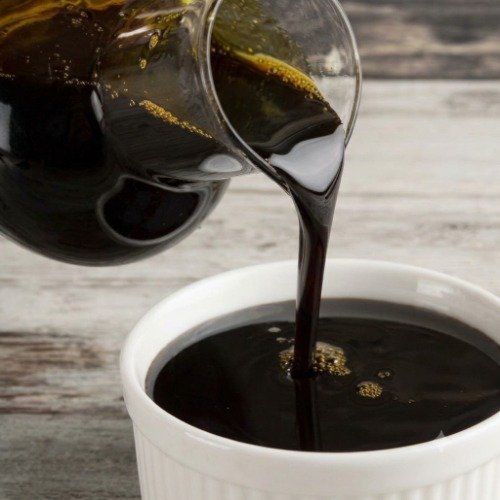
C-heavy molasses is the final molasses stream generated after sugar crystallisation and the recovery of sugar through the manufacturing process. It contains residual fermentable sugars that can be used by distilleries to produce ethanol.
Unlike B-heavy molasses, which retains a higher proportion of recoverable sugar, C-heavy molasses is produced after a greater proportion of sugar has been extracted. Its use for ethanol therefore allows mills to utilise a sugar-production by-product without diverting the same volume of recoverable sugar that would otherwise be available for crystallisation.
The procurement price for ethanol produced from C-heavy molasses remains ₹57.97 per litre under the pricing cited in the report. The restriction on other sugar-based feedstocks means the C-heavy route is the permitted molasses-based option for the current supply year.
India’s ethanol blending programme has reached the 20% blending target, increasing the importance of feedstock availability, procurement allocation and distillery utilisation as the industry adjusts to the revised restrictions.
The policy shift places sugar mills’ ethanol operations under a different feedstock framework for 2026–27, with C-heavy molasses allocations and grain-based ethanol expected to play a role in meeting blending demand while limiting sugar diversion.



