


The All India Distillers’ Association (AIDA) has urged the government to increase the procurement price of maize-based ethanol to ₹75 per litre, arguing that rising feedstock costs and a reduction in the incentive offered to producers are putting pressure on the economic viability of grain-based ethanol production.
The proposal, reported by The Economic Times, comes after the procurement rate for maize-based ethanol for the 2026–27 Ethanol Supply Year (ESY) fell to ₹68.86 per litre from ₹71.86 per litre under the latest tender issued by Bharat Petroleum Corporation Limited (BPCL) on behalf of oil marketing companies (OMCs).
AIDA has called for a revision of the pricing and incentive structure to support ethanol producers and sustain investment in grain-based distilleries as India continues to pursue its ethanol-blending programme.
Rising maize prices add to production costs
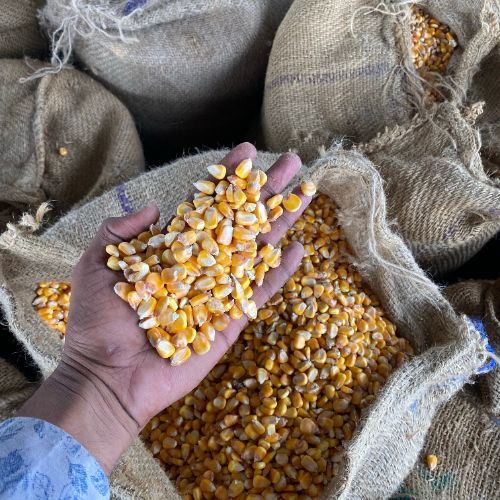
AIDA has cited the sharp increase in maize prices as a key reason for seeking higher procurement rates. According to the association, maize prices have risen from approximately ₹17–18 per kg a year ago to around ₹27 per kg, increasing the raw-material cost for ethanol manufacturers.
Producers must also account for processing, financing and other operational expenses. AIDA has argued that the current procurement rate does not adequately reflect these costs, potentially affecting plant utilisation and future investment in grain-based ethanol capacity.
The association’s proposed rate of ₹75 per litre is intended to improve the commercial viability of maize-based ethanol production and provide greater certainty to distillers.
Procurement incentive reduced for 2026–27
The request follows a reduction in the incentive for maize-based ethanol under the procurement framework for ESY 2026–27. The incentive was reduced from ₹5.79 per litre to ₹2.79 per litre, bringing the effective procurement rate down from ₹71.86 to ₹68.86 per litre.
The procurement tender covers approximately 11 billion litres of ethanol for the supply year running from November 2026 to October 2027. The procurement programme is intended to support the supply of ethanol for blending with petrol, including the government’s 20% blending target.
The revised terms have intensified industry discussions over the relationship between procurement prices, feedstock costs and the financial sustainability of ethanol production.
AIDA also seeks higher prices for rice-based ethanol
Alongside its request for maize-based ethanol, AIDA has called for an increase in the procurement price of ethanol produced from surplus rice supplied by the Food Corporation of India (FCI).
The current procurement price for FCI rice-based ethanol is ₹60.32 per litre. AIDA has said that raw-material procurement, energy, chemicals, processing and logistics expenses leave distilleries with limited margins at this rate.
The association has also advocated a predictable policy framework that recognises differences in the cost structures of various feedstocks, rather than allowing procurement terms to disproportionately favour one production route.
Industry calls for a clearer ethanol-blending roadmap
AIDA has urged the government to provide a clearer long-term roadmap for the Ethanol Blended Petrol (EBP) programme. It has also called for a gradual increase in the blending level beyond the current 20% target and greater policy support for flex-fuel vehicles.
The association’s requests come amid changes to ethanol procurement for ESY 2026–27, including restrictions on the use of sugarcane juice, sugar, sugar syrup and B-heavy molasses for ethanol production under the latest tender. These changes increase the importance of eligible alternative feedstocks, including maize and surplus rice, in meeting procurement requirements.
The competing priorities are to maintain ethanol supplies for blending, manage agricultural feedstock availability and ensure that producers can operate their facilities on a commercially sustainable basis.
Bioenergy Business Analysis
AIDA’s proposed increase to ₹75 per litre highlights the growing importance of procurement pricing in determining the economics of India’s grain-based ethanol sector. Higher maize prices can raise production costs, while changes to incentives directly affect the revenue producers receive for each litre supplied.
The issue also has implications for feedstock diversification. As procurement rules change, the commercial attractiveness of maize, surplus rice and other permitted raw materials will influence how distilleries allocate capacity and source agricultural inputs.
However, the proposed ₹75-per-litre rate remains an industry demand, not an announced government revision. Any change will depend on the government’s procurement and incentive decisions. The sector’s outlook will therefore hinge on whether future pricing arrangements adequately account for feedstock and operating costs while supporting the wider ethanol-blending programme.


