


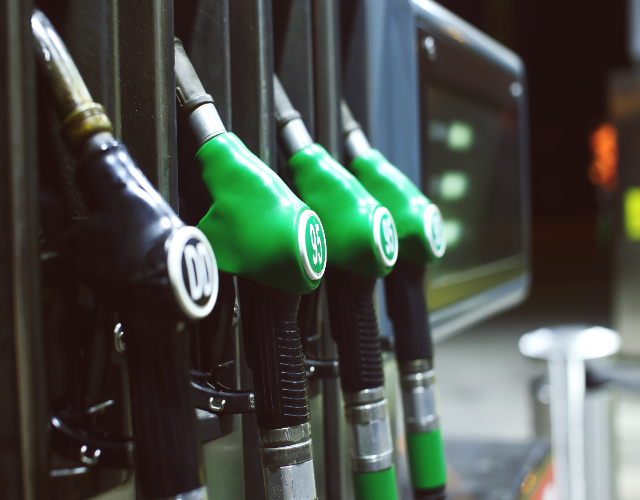
Telangana Transport Minister Ponnam Prabhakar said the State Transport Department has received no complaints about vehicle damage linked to petrol blended with 20% ethanol, while acknowledging a possible 3–5% reduction in pickup and mileage. He added that the State Transport Department has not received complaints from vehicle owners or automobile industry experts about damage allegedly caused by E20 petrol.
Responding to a question from MLC Prof. Kodandaram in the Legislative Council on September 9, Prabhakar said the department had no specific cases to assess and therefore no basis for regulatory or corrective action at the State level.
The minister’s comments come amid continuing debate over the impact of higher ethanol blending on vehicle performance, particularly for older vehicles.
E20 may reduce mileage and pickup by 3–5%
Prabhakar acknowledged that ethanol contains less energy per unit than petrol and said vehicles using E20 could see a 3–5% reduction in pickup and mileage.
However, he maintained that regular servicing should allow vehicles to operate without major problems. The E20 programme is being implemented under the Central government’s policy framework, with oil marketing companies responsible for monitoring its rollout.
According to the minister, E20 petrol has been available across India since April 1, 2026.
As reported by The Hindu, the Transport Minister said vehicles manufactured from April 1, 2026, were designed to operate on E20 fuel, while some older vehicles could require minor modifications or replacement of certain components.
Older vehicles remain a key consideration
Vehicle safety, type approval and certification for E20-compatible vehicles fall under the Central Motor Vehicles Act and associated rules, Prabhakar said.
For older vehicles, the minister indicated that compatibility could depend on the vehicle and its components. Possible changes may include replacing certain spare parts or making minor modifications.
The absence of complaints in Telangana, however, does not by itself establish that E20 has no effect on vehicle performance or component durability. It indicates that the State Transport Department has not received such cases requiring action.
Government highlights economic and environmental benefits
Prabhakar also outlined three benefits of ethanol blending: creating additional markets and income opportunities for farmers, reducing pollution and lowering the country’s dependence on imported fossil fuels.
India’s ethanol production uses several feedstocks, including sugarcane juice, molasses, paddy and maize. The minister said increased ethanol demand could therefore create additional markets for agricultural produce.
The comments come as India seeks to expand the use of domestically produced ethanol in transport fuel while developing additional applications for the country’s growing biofuel production capacity.
Telangana has seven ethanol factories
Telangana currently has seven ethanol factories, according to the minister, with two or three located in Karimnagar district.
Prabhakar also sought to address concerns about pollution from ethanol production facilities. He said modern plants being established with Central government support incorporate pollution-control measures.
The Agriculture and Excise departments are facilitating agreements between oil companies and entrepreneurs for establishing new ethanol plants, while the Transport Department does not have a role in setting up the facilities.
He encouraged industrialists to consider investing in ethanol plants while ensuring that appropriate pollution-control systems are incorporated.
Telangana also pushes electric mobility
Prabhakar highlighted Telangana’s electric mobility policy, under which buyers of electric vehicles receive a 100% tax exemption. He said the policy was being implemented successfully.
He also appealed to Legislative Council Chairman Sukhender Reddy to consider extending concessions to Legislative Council members purchasing electric vehicles.
Bioenergy Business Analysis
Telangana’s latest position highlights the distinction between E20 fuel compatibility and vehicle performance. While the State has reported no complaints of vehicle damage, the acknowledged 3–5% potential reduction in mileage and pickup remains an important consideration, particularly for India’s existing vehicle fleet.
For the ethanol industry, the wider significance is that Telangana continues to support additional ethanol capacity while the national E20 programme creates sustained demand for the fuel. The next phase will depend on maintaining vehicle compatibility, clear technical standards and effective pollution controls at ethanol plants while ensuring that higher ethanol demand delivers the intended benefits for farmers, energy security and emissions reduction.
Read also: Government eyes ethanol blending above E20 via flex-fuel vehicles