


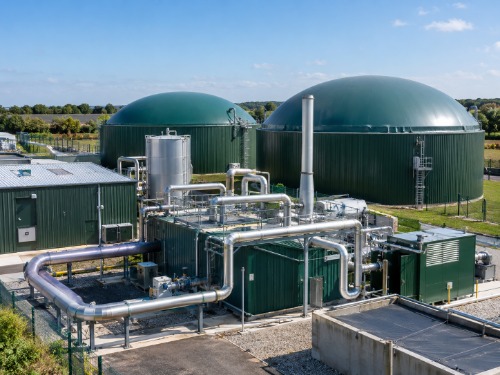
GAIL (India) Limited is advancing plans to establish a municipal solid waste-based compressed biogas (CBG) plant at the Karnataka Compost Development Corporation (KCDC) premises in Bengaluru, with the proposed facility designed to process 300 tonnes of segregated municipal waste daily and produce 12.6 tonnes of CBG.
The project, estimated at ₹123.42 crore in a report published by The Hindu on 11 November 2026, will be developed across approximately 18 acres at KCDC in Haralakunte village, Bengaluru South Taluk. The facility is also expected to produce around 21.6 tonnes of fermented organic manure (FOM) daily.
GAIL’s project is intended to convert segregated organic municipal waste into compressed biogas for distribution as a clean fuel, alongside organic manure production. The gas is expected to be supplied to GAIL Gas, a wholly owned subsidiary of GAIL, for distribution.
GAIL’s Bengaluru CBG Project to Process 300 Tonnes of Waste Daily
The proposed facility will process 300 tonnes per day (TPD) of segregated municipal solid waste and generate 12.6 tonnes of compressed biogas and approximately 21.6 tonnes of fermented organic manure daily.
The Greater Bengaluru Authority (GBA) is responsible for providing approximately 18 acres of land for the project, while Bengaluru Solid Waste Management Limited (BSWML) will arrange the supply of segregated municipal waste.
GAIL signed a tripartite concession agreement with GBA and BSWML on 16 October 2025. The agreement was announced by GAIL on 17 October 2025 and provides for a 25-year concession period from the date of commissioning.
The project is designed to support the conversion of municipal organic waste into renewable fuel while producing an additional organic fertiliser stream.
Biogas Output to Be Supplied Through GAIL Gas
The CBG produced at the facility is expected to be supplied to GAIL Gas for distribution as a clean fuel.
The project connects municipal waste processing with the city’s gas distribution infrastructure, creating a potential route for converting segregated wet waste into a usable gaseous fuel.
The facility is also expected to incorporate odour-control and effluent-treatment systems to address environmental considerations associated with municipal waste processing, according to the project details reported by The Hindu.
Prime Minister Narendra Modi is expected to virtually lay the foundation stone for the project on 13 November 2026. Bengaluru South MP Tejasvi Surya said the facility is expected to become operational within 15 months of the commencement of work.
The foundation-stone ceremony and the proposed operational timeline should be distinguished from actual construction progress and commissioning.
Bengaluru’s Municipal Waste-to-Biogas Development
The project is part of Bengaluru’s efforts to expand the use of biological waste processing for municipal solid waste management.
The KCDC site has a history of waste-processing operations and local opposition. The composting facility, established in 1975, stopped operations in 2008 following protests over odour-related concerns and reopened in 2013.
The proposed CBG facility will depend on a consistent supply of segregated municipal waste to maintain its planned processing and gas-production capacity. Its implementation will therefore involve coordination between GAIL, the municipal waste-management agency and the Greater Bengaluru Authority.
Bioenergy Business Analysis
GAIL’s Bengaluru project illustrates the potential of municipal organic waste as a feedstock for compressed biogas production. By combining waste processing, renewable fuel generation and fermented organic manure production, the proposed facility links urban waste management with the bioenergy and agricultural sectors.
Its planned capacity of 300 tonnes of segregated municipal waste per day and CBG output of 12.6 tonnes per day make it a significant municipal waste-to-CBG development for Bengaluru.
However, the project’s performance will depend on effective source segregation, reliable feedstock supply, plant operations and the ability to maintain consistent gas production. The availability of suitable waste and its quality will be particularly important for achieving the proposed output.
Related: Aemetis’ dairy biogas and renewable natural gas project



