Aemetis Biogas LLC has received provisional pathway approvals from the California Air Resources Board (CARB) under the state’s Low Carbon Fuel Standard (LCFS) programme for six additional dairy-based renewable natural gas (RNG) digesters. The approvals, effective from 1 October 2026, carry an average carbon intensity (CI) score of −351 gCO₂e/MJ, according to an announcement by parent company Aemetis, Inc. on 10 November 2026.
The newly approved pathways cover six dairy digesters constructed and operated by Aemetis Biogas, a subsidiary of Aemetis. The approvals add to seven dairy RNG pathways previously approved by CARB in June 2025, bringing the number of approved pathways announced by the company to 13.
The company said the additional approvals are expected to increase the LCFS credits generated through its Aemetis Biogas Central Digester Project in California.
Aemetis’ California Dairy RNG Project
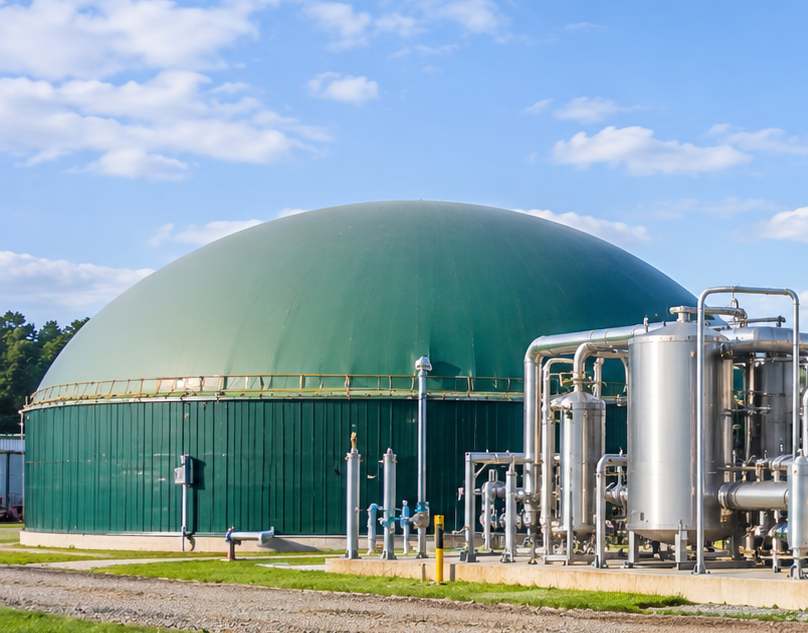
The Aemetis Biogas Central Digester Project, located near Modesto, California, currently comprises 14 digesters receiving dairy waste from 17 dairy facilities.
Biogas produced at the digesters is transported through a 36-mile pipeline to a central renewable natural gas production facility in Keyes, California. The facility processes the biogas into pipeline-quality RNG and is interconnected with the Pacific Gas and Electric (PG&E) utility pipeline.
The project uses anaerobic digestion to process dairy waste and recover biogas. The resulting gas is upgraded to renewable natural gas for injection into the natural gas distribution system.
Aemetis reported on 22 October 2026 that it had completed construction and commenced operations at two additional dairy digesters, taking the operating network to 14 digesters supplied by 17 dairy facilities. The company said these facilities were expected to produce approximately 600,000 million British thermal units (MMBtu) of RNG annually.
Two More Digesters Could Qualify for LCFS Pathways in 2027
Aemetis said two additional recently constructed dairy digesters are expected to become eligible for LCFS pathway approvals in 2027 through CARB’s Tier 1 application process.
Tier 1 applications use CARB-approved methodologies, standardised inputs and operational data to establish a fuel pathway’s carbon intensity. Applicants must provide supporting production and feedstock information and meet the programme’s applicable verification requirements.
The potential approvals would further expand the number of dairy RNG pathways associated with the company’s California operations. However, the announcement does not provide a separate carbon intensity score or expected credit volume for the two digesters.
Negative Carbon Intensity and LCFS Credit Generation
The six newly approved pathways have an average carbon intensity score of −351 gCO₂e/MJ. Carbon intensity measures the greenhouse gas emissions associated with a fuel across its life cycle, including production and use.
Under California’s LCFS programme, transportation fuels with carbon intensity below the applicable benchmark can generate credits. The number of credits depends on the fuel’s reported carbon intensity, the relevant benchmark and the quantity of fuel supplied.
A negative carbon intensity score indicates that the pathway’s modelled life-cycle emissions balance is below zero under the applicable assessment methodology. For dairy-based RNG, the calculation accounts for the emissions implications of managing manure and producing renewable fuel.
The additional approvals therefore provide Aemetis with more approved pathways through which its dairy-derived RNG can participate in the LCFS crediting system, subject to applicable reporting and verification requirements.
Aemetis Expects LCFS Credit Prices to Increase
Commenting on the approvals, Eric McAfee, Chairman and Chief Executive Officer of Aemetis, said the six additional pathways would significantly increase the LCFS credits generated by the Central Digester Project.
McAfee also pointed to the company’s expectations of declining excess banked LCFS credits over the coming years, suggesting that this could support higher credit prices.
He cited a market price of approximately US$90 per LCFS credit and said the company expected prices to continue increasing.
However, the price outlook represents management’s expectation rather than a guaranteed market development. CARB’s published weekly transfer data also distinguishes between different credit categories and reports both average prices and transaction ranges. For the week ending 18 October 2026, CARB reported a volume-weighted average price of US$89.01 per metric tonne for Type 1 transfers, compared with US$77.76 across all non-zero-price transfers.
The six pathway approvals add to Aemetis’ existing dairy RNG operations in California, where the company is developing a network that converts agricultural waste into pipeline-quality renewable fuel.
Related: GAIL’s municipal waste-to-biogas project in Bengaluru