


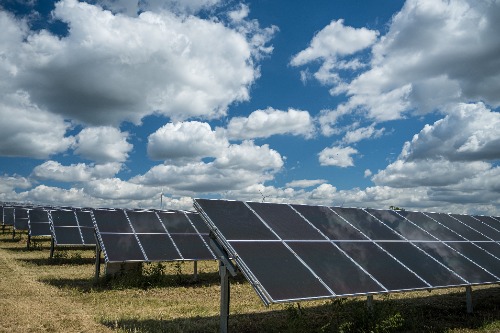
Nofar Energy has connected its 73 MW-peak Slobozia solar power plant to Romania’s electricity grid for testing, marking the completion of its third major photovoltaic facility in the country.
The Israel-based renewable energy company now has 388 MW of installed solar capacity across three facilities in southern Romania, between Bucharest and the Danube. The Slobozia project is also supported by a contract for difference (CfD) awarded in Romania’s first renewable electricity auction.
The plant was acquired by Nofar Energy approximately three years ago. Its grid connection for testing follows the recent inauguration of the company’s Iepurești and Ghimpați solar parks, both located in Giurgiu County.
Three Solar Parks Bring Romanian Capacity to 388 MW
Slobozia adds to Nofar Energy’s expanding Romanian portfolio, which includes two larger photovoltaic projects near Bucharest.
The Iepurești solar park has a peak capacity of 169.4 MW, while the Ghimpați facility has a peak capacity of 146 MW. Together, the two plants are expected to generate approximately 430 GWh of electricity annually, equivalent to the estimated electricity needs of more than 250,000 households.
Battery energy storage systems are planned alongside the two facilities, with a combined power capacity of 280 MW and energy storage capacity of 860 MWh.
These storage installations are intended to complement the solar generation assets, although the source does not establish that the battery systems are already operational.
Corbii Mari Solar-Plus-Storage Project Advances
Nofar Energy is also progressing with the construction of the Corbii Mari photovoltaic project in Dâmbovița County, west of Bucharest.
The project has a planned peak solar capacity of approximately 281 MW and includes 434 MWh of battery energy storage. Infrastructure plans also include two substations: a 400/33 kV substation and a 400 kV substation.
Construction began in December, according to the source, with contractor AJ Brand carrying out the work. The project will combine solar generation with battery storage, adding to Romania’s pipeline of large-scale hybrid renewable energy facilities.
The source describes Corbii Mari as potentially Romania’s largest solar power plant, although larger projects are under development or construction. Nofar Energy identifies Iepurești as the country’s largest operating solar facility at present, and its Iepurești 2 project is also under development.
CfD Support and Grid Integration Shape Project Development
Slobozia’s contract for difference was secured in Romania’s first renewable electricity auction. Such contracts can provide eligible renewable energy projects with a degree of revenue predictability by linking settlement payments to an agreed reference price, subject to the contract’s terms.
The plant’s connection to the grid for testing represents a key step towards operation, but it should not be interpreted as confirmation that full commercial generation has begun.
As Nofar Energy expands its Romanian portfolio, the combination of new photovoltaic capacity and planned battery storage will be relevant to how the company develops its renewable generation and dispatch capabilities. The next milestones include the completion of testing at Slobozia and further construction progress at Corbii Mari and the associated storage facilities.
Bioenergy Business Analysis
Nofar Energy’s Romanian projects illustrate the continued expansion of utility-scale solar generation alongside battery storage. The company has brought its reported installed solar capacity in Romania to 388 MW with the completion of Slobozia, while its larger Corbii Mari project adds a substantial storage component to the development pipeline.
For Romania’s electricity market, the distinction between installed solar capacity and hybrid projects under construction remains important. Battery storage can help shift electricity delivery and manage variability in solar generation, but the benefits depend on commissioning, grid integration, operating strategy and market conditions.
The immediate milestone is Slobozia’s grid testing. The next indicator of progress will be confirmation of commercial operation, followed by delivery of the planned storage systems and continued development of Nofar Energy’s wider Romanian portfolio.


