


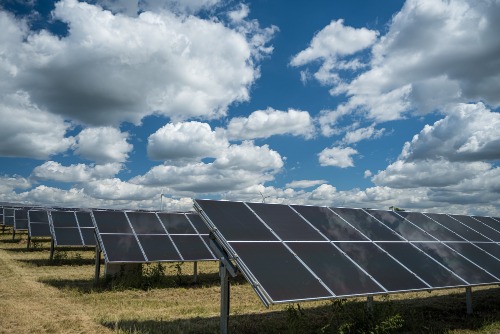
GH2 Solar has signed a power purchase agreement (PPA) with the Solar Energy Corporation of India Limited (SECI) for a project combining 50 MW of solar photovoltaic (PV) capacity with a 25 MW/100 MWh battery energy storage system (BESS).
The agreement was signed on 8 October 2026, according to an announcement by GH2 Solar. The project combines renewable electricity generation with battery storage, bringing together two components that can support the delivery of solar power across different periods.
The announcement did not disclose the project’s location, expected commissioning date, contracted tariff or total investment.
Project combines 50 MW of solar capacity with battery storage
The project configuration includes 50 MW of solar PV generation capacity and a battery storage system rated at 25 MW of power and 100 MWh of energy capacity.
The two battery ratings describe different characteristics. The 25 MW figure represents the system’s rated power output, while 100 MWh indicates its stated energy storage capacity. Based on these figures, the system has a nominal four-hour duration at full rated output, assuming the full stated energy capacity is usable.
Integrating battery storage with solar generation can help shift electricity delivery to periods when solar output is lower or demand is higher. Actual performance will depend on charging arrangements, system efficiency, operating constraints and grid conditions.
Battery storage can support renewable power delivery
Solar generation varies with sunlight availability and weather conditions. Battery energy storage systems can charge when electricity is available and discharge later, helping manage the timing of renewable power delivery.
For a project combining 50 MW of solar capacity with a 25 MW/100 MWh battery system, the relationship between generation and storage will depend on the project’s operating and dispatch arrangements.
The announcement did not specify whether the system will be used for peak-hour supply, scheduled power delivery, grid balancing or other services. These details will be important in understanding the project’s intended role in the electricity system.
GH2 Solar expands its integrated clean-energy portfolio
GH2 Solar operates across several areas of the clean-energy sector, including solar power generation, green hydrogen, electrolyser manufacturing and future fuels.
The solar-plus-storage agreement adds to the company’s portfolio of integrated clean-energy infrastructure. However, the announcement does not provide further details on the project’s development stage, construction schedule or expected annual electricity generation.
SECI is a government-owned renewable energy enterprise under India’s Ministry of New and Renewable Energy. It facilitates renewable energy procurement and supports the development of projects across India’s clean-energy sector.
The agreement brings GH2 Solar and SECI together on a project that combines solar generation with battery storage, although further commercial and operational information will be needed to assess its expected contribution to renewable electricity supply.
Bioenergy Business Analysis
The GH2 Solar–SECI agreement highlights the growing role of battery storage alongside renewable electricity generation. Pairing 50 MW of solar PV with a 25 MW/100 MWh battery system creates a configuration capable of storing and shifting electricity, subject to the project’s operating arrangements.
The battery’s nominal four-hour duration provides a useful indication of its design, but it does not establish how much electricity will be delivered, how frequently the system will cycle or whether the project can provide firm power at particular times. Those outcomes depend on the PPA terms, charging strategy, system efficiency and grid requirements.
For the wider clean-energy sector, the agreement is relevant to the integration of variable renewable generation with storage infrastructure. Its commercial significance will become clearer when details such as location, tariff, commissioning timeline and contracted delivery arrangements are disclosed.