


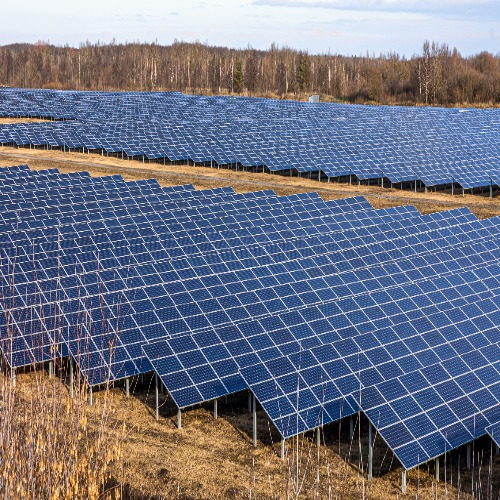
Perak, a state in Peninsular Malaysia, has a pipeline of 28 solar energy projects with a combined capacity exceeding 1,400 megawatts (MW), signalling an expansion of large-scale photovoltaic (PV) development as Malaysia seeks to diversify its electricity mix and attract investment in energy-intensive industries.
The pipeline reflects growing interest in solar power as a source of electricity for industrial activity, including data centres, manufacturing facilities and other businesses seeking access to lower-carbon energy.
The 1,441.30 MW total combines 542.18 MW of operating capacity with 899.12 MW under development. It should not be read as wholly operational capacity.
Solar Development Supports Perak’s Energy Transition
Perak has historically been associated with conventional electricity generation, including coal-fired power. Its expanding solar pipeline points to efforts to diversify generation sources and strengthen the state’s role in Malaysia’s renewable energy sector.
Large-scale solar PV projects convert sunlight into electricity for use by the grid or under applicable supply arrangements. Their contribution to the power system depends on factors including installed capacity, solar resource availability, grid access and the arrangements governing electricity sales.
The development of additional solar capacity could support Malaysia’s broader energy transition. The extent of its contribution will depend on how quickly projects progress from planning to commissioning and how effectively the electricity system accommodates variable renewable generation.
Renewable Power Could Support Industrial Investment
Access to lower-carbon electricity is becoming an important consideration for companies assessing locations for data centres, manufacturing operations and other energy-intensive facilities.
Perak’s solar project pipeline could help strengthen its appeal to investors seeking renewable electricity procurement options. However, a large project pipeline does not itself establish that sufficient renewable power will be available to individual businesses. The commercial implications depend on project delivery, transmission and distribution capacity, power purchase arrangements and the timing of electricity demand.
The source material does not identify specific corporate offtakers or confirm that the solar projects are directly linked to new data centre investments.
21 Solar Projects Already Operating, Seven Under Development
State government figures reported by The Edge Malaysia on 10 September 2026 provide a clearer picture of the pipeline: 21 large-scale solar projects with a combined capacity of 542.18 MW are operational, while seven projects totalling 899.12 MW remain under development. The full pipeline stands at 1,441.30 MW.
The largest project under development is in the Larut Matang district, with a planned capacity of 470 MW. Other projects under development include a 95 MW project in Hilir Perak, a 29.99 MW project in Perak Tengah and a 4.16 MW project in Selama. Three additional projects each have a capacity of 99.99 MW.
The figures indicate that a substantial share of the pipeline remains to be delivered. The seven projects under development represent approximately 62% of the total reported capacity, making project execution and timely commissioning important factors in determining how quickly Perak’s solar generation base can expand.
Floating Solar Opens Opportunities for Former Mining Sites
Perak is also exploring ways to use existing water bodies for renewable electricity generation. In May 2026, Perak’s state agricultural development corporation, Perak SADC, entered into a strategic cooperation memorandum with China’s Shuifa Energy Group to explore renewable energy development, including a proposed 30 MWp floating aqua-voltaic project at Tanjong Tualang. The concept combines floating solar generation with aquaculture.
Floating solar systems place photovoltaic panels on buoyant structures over suitable water bodies. At former mining ponds, this approach may enable electricity generation without requiring the entire solar installation to occupy additional land.
However, the Tanjong Tualang initiative is a separate development from the 28-project large-scale solar pipeline. Its proposed capacity should not be added to the reported 1,441.30 MW total without confirmation that it is included in the state government’s project inventory.
The technical and commercial viability of floating solar depends on water-body suitability, anchoring requirements, environmental safeguards, grid connectivity and compatibility with other uses of the site. Combining solar power with aquaculture would also require careful planning to ensure that the activities can operate together effectively.
Investment and Employment Opportunities Across the Solar Supply Chain
The expansion of large-scale solar development can create demand for engineering, procurement and construction contractors, electrical equipment suppliers, installation specialists and grid-integration services. Operational facilities also require inspection, maintenance, monitoring and asset management.
These activities could create opportunities for local companies and technical workers. The scale of the economic benefits, however, will depend on the extent of local procurement, workforce participation and the delivery schedules of individual projects. The available figures do not quantify expected job creation or the total investment associated with the 28-project pipeline.
Perak’s existing industrial infrastructure, potential renewable energy resources and plans for floating solar could support further investment in clean energy. Whether these advantages translate into additional manufacturing and data centre investment will depend on the availability, cost and reliability of electricity, as well as the commercial arrangements through which businesses can procure renewable power.
Bioenergy Business Analysis
Perak’s solar pipeline is notable not simply for its headline capacity but for the distinction between projects already generating electricity and those still awaiting development. With 542.18 MW operational and another 899.12 MW under development, the state’s next challenge is to convert its remaining project pipeline into dependable generation capacity.
The seven projects under development account for almost two-thirds of the reported pipeline by capacity. Progress on the 470 MW Larut Matang project will therefore be particularly significant, although its eventual contribution will depend on construction, grid connection and commissioning.
Perak’s solar expansion could help support the state’s ambitions to attract data centres, manufacturing facilities and other businesses with substantial electricity requirements. However, solar capacity alone does not guarantee round-the-clock renewable electricity. Variable generation, grid infrastructure, storage and electricity procurement arrangements will influence how effectively new capacity serves industrial demand.
For project developers, credible offtake arrangements and timely grid access will remain important to project economics. For prospective industrial customers, the practical question is whether renewable electricity can be secured at the required volume, cost and reliability.
The proposed floating aqua-voltaic initiative at Tanjong Tualang illustrates how former mining ponds and other suitable water bodies could contribute to renewable energy development while retaining potential for other economic uses. Its progress could provide a useful example of how solar deployment and aquaculture might be integrated, subject to environmental and commercial feasibility.
Nevertheless, floating solar should be assessed on its own technical and financial merits. Water-body availability does not automatically translate into commercially viable generation capacity.
Overall, Perak’s 1,441.30 MW solar pipeline represents a significant renewable energy development opportunity in Peninsular Malaysia. The state’s longer-term success will depend on commissioning projects on schedule, integrating generation into the electricity system and establishing commercial arrangements that allow renewable electricity to support industrial growth.
Related coverage: Solar power supply for industrial users is also an important part of renewable electricity procurement in other Asian markets.


