Sasol and Antarctic expedition operator White Desert have signed a long-term offtake agreement for sustainable aviation fuel (SAF) produced at Sasol’s Natref refinery in Sasolburg, South Africa, strengthening the commercial link between locally produced alternative aviation fuels and demand from the aviation sector.
The agreement was reported at African Energy Week 2026 in Cape Town, with White Desert identified as the first offtaker of Sasol’s commercial SAF production. The fuel is currently produced using spent South African cooking oil at Natref, according to the announcement.
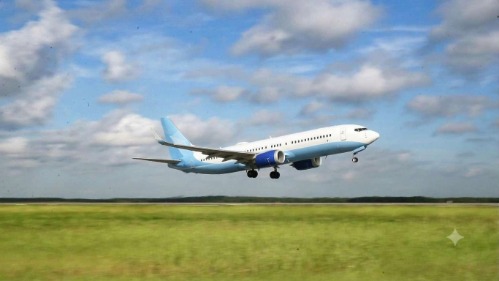
White Desert operates an Airbus A340-600 for flights connecting Cape Town with Antarctica. The company has said the SAF supplied by Sasol is certified for use in the aircraft.
The partnership follows an earlier announcement by Sasol in September 2026 covering the supply of its first commercial SAF volumes to White Desert. The latest announcement highlights the long-term offtake arrangement and the potential for further development of South Africa’s SAF supply chain.
Used cooking oil underpins current SAF production
Sasol is using spent cooking oil as a feedstock for SAF production at Natref. Used cooking oil can be processed into lower-carbon aviation fuel through established refining pathways, provided the fuel meets applicable technical specifications and sustainability requirements.
Sasol previously announced that Natref had secured International Sustainability and Carbon Certification PLUS (ISCC+) certification for SAF and renewable diesel produced through the co-processing of used cooking oil and vegetable oil. The certification supports the refinery’s production of fuels using eligible sustainable feedstocks. <Cite refs={[“turn902636search3″,”turn902636news23”]}/>
SAF is designed to replace or blend with conventional jet fuel under approved technical standards. Depending on the production pathway, feedstock and lifecycle accounting, it can reduce greenhouse gas emissions compared with conventional aviation fuel.
For White Desert, the agreement provides access to locally produced SAF for its Antarctic expedition flights. For Sasol, the offtake arrangement connects its existing refining infrastructure with a customer seeking to reduce the emissions associated with aviation operations.
Sasol explores biomass and bio-sludge feedstocks
Beyond its current used-cooking-oil pathway, Sasol is exploring the potential to produce SAF from bio-sludge and biomass at its Secunda coal-to-liquids facility in South Africa.
Elri Volsteedt, Sasol’s head of technical, said the company plans to use its proprietary Fischer–Tropsch technology to pursue these additional feedstock pathways.
Fischer–Tropsch synthesis converts a suitable synthesis gas, primarily comprising carbon monoxide and hydrogen, into liquid hydrocarbons. The process can support the production of synthetic fuels from different feedstocks, but the overall emissions profile depends on how the synthesis gas is generated, the feedstock used and the energy consumed during production.
The proposed use of bio-sludge and biomass could broaden Sasol’s potential feedstock options. However, the announcement did not specify production capacity, investment requirements or a commercial commissioning timeline for these pathways.
SAF offtake signals demand for lower-carbon aviation fuels
White Desert has said it intends to purchase as much of Sasol’s SAF as possible to reduce the carbon impact of its operations. Chester Foster, the company’s executive for Antarctic operations, described the arrangement as part of its efforts to lower the impact of its flights.
Foster also said that using the fuel would give the company a “net-zero carbon impact”. That statement represents the company’s claim; the announcement does not provide a lifecycle assessment or emissions-accounting details establishing that the flights have zero net emissions.
Sasol has described itself as the first company in Africa able to produce and supply SAF to the aviation industry. This claim should be understood as the company’s stated position rather than an independently verified ranking of all SAF producers across the continent.
Bioenergy Business Analysis
The agreement illustrates the role of long-term offtake arrangements in helping connect alternative-fuel producers with customers willing to purchase SAF. For producers, committed demand can support commercial planning, while customers gain a potential route to reducing aviation-related emissions without immediately replacing existing aircraft.
Sasol’s current used-cooking-oil pathway also demonstrates how existing refining assets can be adapted to process eligible alternative feedstocks. Expanding into biomass and bio-sludge could create additional production options, but the commercial and environmental outcomes will depend on technology readiness, feedstock availability, lifecycle emissions and the costs of scaling production.
The next developments to watch include the volume of SAF supplied under the agreement, Sasol’s production ramp-up at Natref, and further details on the proposed Secunda biomass and bio-sludge pathway.
For South Africa’s SAF sector, the key question is whether early commercial supply agreements can develop into a larger market supported by reliable sustainable feedstocks, verified emissions reductions and consistent aviation demand.