


SmartestEnergy has signed a long-term biomethane offtake and environmental products agreement with Zenco Group to support the development of a UK bioenergy facility expected to produce up to 420 gigawatt-hours (GWh) of renewable gas annually.
Commercial operations are currently scheduled to begin in 2028, according to an announcement published by SmartestEnergy on 13 October 2026. The project will use established anaerobic digestion (AD) technology and integrate cultivated seaweed as feedstock as cultivation scales.
Under the agreement, SmartestEnergy will act as the biomethane offtaker and exclusively market the facility’s Renewable Gas Guarantees of Origin (RGGOs) and other environmental products. The companies have not disclosed the project’s investment value, exact location or feedstock volumes.
Project to combine biomethane and renewable fuel production
The facility is planned in two phases. The first will focus on producing biomethane for injection into the gas grid. The second will introduce renewable fuel production, allowing the project to optimise between biomethane and other renewable fuels.
Once fully developed, the facility is expected to become one of the UK’s largest renewable gas and renewable fuels projects, the announcement said.
The planned annual output of up to 420 GWh represents a projected production target, rather than existing supply. The final contribution to the UK’s renewable gas market will depend on project development, feedstock availability, commissioning and operating performance.
SmartestEnergy will provide the commercial route to market for the biomethane, alongside energy trading, optimisation and environmental products expertise. The agreement was developed by the company’s origination, structuring and environmental products teams.
Cultivated seaweed planned as a distinctive AD feedstock
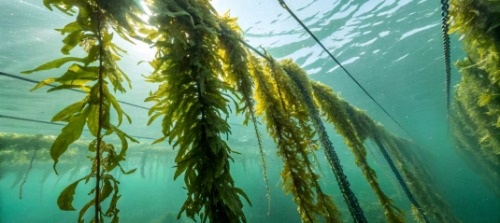
Zenco’s proposed feedstock strategy is a central feature of the project. The facility will use established AD technology, with cultivated seaweed integrated as production scales.
Anaerobic digestion uses microorganisms to break down organic material in the absence of oxygen, producing biogas. The gas can then be upgraded to biomethane by removing carbon dioxide and other impurities to meet the required gas-grid specifications.
Seaweed could provide an alternative to conventional AD feedstocks. Cultivation at sea can reduce direct competition with agricultural land and freshwater, although the overall sustainability of a seaweed supply chain depends on cultivation methods, nutrient inputs, harvesting, transport and processing.
The project is scheduled to become the first AD plant to operate fully on cultivated seaweed feedstock, according to the announcement. The companies have not yet disclosed the planned feedstock volumes or detailed cultivation and supply-chain arrangements.
SmartestEnergy to market biomethane and environmental attributes
Alongside physical biomethane offtake, SmartestEnergy will exclusively market RGGOs and other environmental products associated with the facility.
RGGOs are certificates used to document the renewable origin of gas. Such instruments can help buyers substantiate renewable gas procurement claims, subject to the applicable certification, accounting and disclosure rules. They are distinct from the physical delivery of gas and do not, by themselves, establish the full lifecycle emissions impact of a project.
SmartestEnergy is also exploring opportunities to develop a European portfolio of gas purchase agreements covering physical biomethane deliveries and associated guarantees of origin through its Global Environmental Markets team.
Vishnu Aggarwal, vice-president of global environmental markets trading at SmartestEnergy, said the partnership combines established AD technology and a scalable feedstock with the company’s commercialisation and market-optimisation capabilities.
Sean McNeill, founder and chief executive officer of Zenco Group, said the company aims to develop renewable gas and fuels from marine feedstocks while using existing energy infrastructure. He said the partnership would allow Zenco to focus on project development and production while SmartestEnergy manages the commercial route to market.
Bioenergy Business Analysis
The SmartestEnergy–Zenco agreement brings together two elements that can be decisive for emerging bioenergy projects: a potential alternative feedstock and a defined commercial route to market. The planned 420 GWh annual output is substantial, but the project’s significance will ultimately depend on whether seaweed cultivation can supply sufficient consistent feedstock and whether the plant can deliver biomethane and renewable fuels at competitive cost.
Seaweed offers a possible way to diversify biomass resources without directly relying on arable land. However, describing a feedstock as land- and freshwater-sparing does not, on its own, establish its overall environmental performance. Cultivation impacts, marine ecosystem considerations, harvesting logistics, processing requirements and lifecycle greenhouse gas emissions will all matter as the project advances.
The commercial structure is also noteworthy. Long-term offtake and the marketing of environmental attributes can help connect production assets with buyers, but physical gas sales and certificate-based claims need to remain clearly distinguished. The integrity of renewable gas claims will depend on traceability and the rules governing the associated certificates.
The next milestones to watch are the project’s location and investment details, its seaweed cultivation plans, confirmation of the technology and output configuration for each phase, and progress towards the scheduled 2028 start-up. These details will help establish whether the project can translate its proposed scale and feedstock strategy into a commercially viable model for marine-based bioenergy.


