


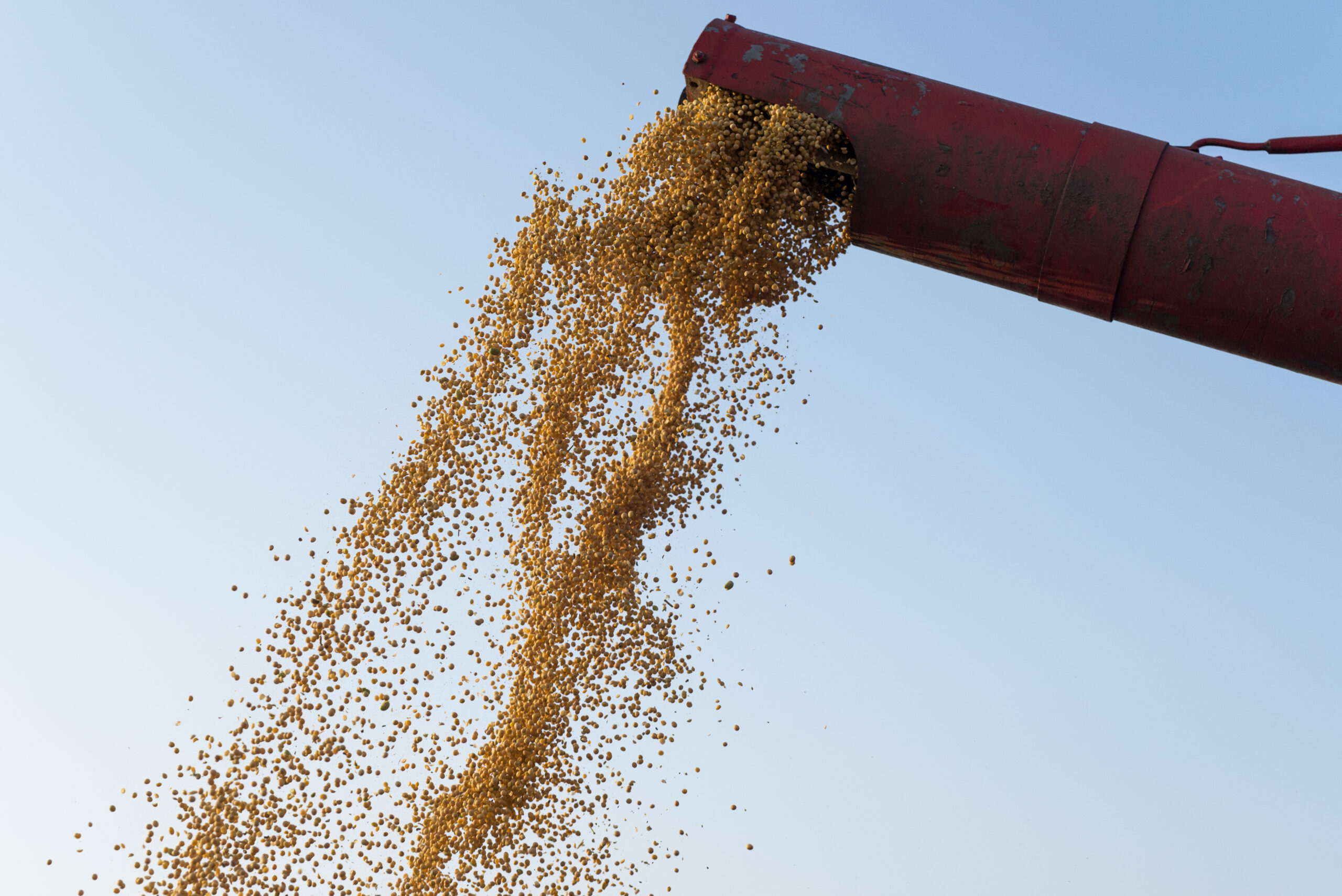
A new biomass pellet plant in Sonipat’s Dabarpur village is set to create an additional revenue stream for farmers by converting crop residues such as paddy straw, fodder residue, cotton waste and sugarcane leaves into biomass pellets for use alongside coal in thermal power plants.
The plant, spread across around two acres in Dabarpur village of Ganaur, was inaugurated on Tuesday by Union Minister G. Kishan Reddy and MLA Devender Kadian. The two officials inspected the facility after formally opening the plant.
According to the report by Atal Hind, the facility has a production capacity of around 50 tonnes of biomass pellets per day. The plant will procure agricultural residues from farmers and process them into pellets that can be used as a supplementary fuel in thermal power generation.
Biomass pellets to provide farmers with additional income
Speaking at the inauguration, G. Kishan Reddy said agricultural residues should no longer be viewed as waste but as a potential source of income for farmers.
Under the model, farmers will be able to sell paddy straw and other crop residues to the plant rather than burning them in the fields. This could provide an additional source of income while creating a structured market for agricultural waste.
Reddy also described the project as an important step towards cleaner energy. The use of agricultural residues for fuel could help reduce open-field residue burning while supporting the wider adoption of renewable and alternative fuels.
The minister highlighted the continued importance of thermal power in India’s electricity system and pointed to the potential role of alternative fuels such as biomass in strengthening energy security.
Biomass offers alternative fuel for thermal power plants
Reddy said coal production can be affected during the monsoon season, potentially putting additional pressure on electricity supply. In this context, alternative fuels such as biomass could provide an additional source of energy for the power sector.
The use of biomass pellets alongside coal is also part of India’s broader effort to increase the use of agricultural residues in power generation while reducing dependence on conventional fossil fuels.
Recent reporting on the Sonipat facility also indicates that agricultural residues including paddy straw, fodder, cotton residues and sugarcane leaves will be sourced from farmers for conversion into biomass fuel.
Project targets stubble burning and rural employment
One of the key environmental benefits expected from the plant is a reduction in crop-residue burning. Farmers in northern India routinely face challenges in managing post-harvest residues, particularly paddy straw, and finding commercial uses for this material can provide an alternative to open-field burning.
By creating a local demand for crop residues, the plant could link agricultural waste management with the biomass fuel market. It could also support additional employment opportunities in rural areas through residue collection, transportation, processing and pellet production.
MLA Devender Kadian said the plant has the capacity to produce approximately 50 tonnes of biomass pellets a day. The facility is expected to provide farmers with another outlet for agricultural residues while supporting local employment.
The project is also consistent with the growing use of biomass pellets in Haryana’s power sector. Haryana Power Generation Corporation Limited has previously sought large volumes of paddy-straw-based torrefied biomass pellets for co-firing at its thermal power stations, demonstrating the emerging demand for agricultural-residue fuels in the state’s power market.
Biomass could turn agricultural waste into an energy asset
The Sonipat plant highlights the potential for decentralised biomass processing facilities to connect farmers with India’s growing demand for alternative solid fuels.
For farmers, the commercial use of crop residues could turn material that is often treated as a disposal problem into an additional source of income. For the power sector, locally produced biomass pellets can provide an alternative fuel for co-firing applications.
The inauguration brings together two policy priorities—reducing stubble burning and expanding the use of biomass in India’s energy mix. The longer-term impact will depend on the plant’s ability to secure a consistent supply of agricultural residues, maintain commercially viable pellet production and establish reliable offtake from power generators.
Bioenergy Business Analysis
The Sonipat plant illustrates how India’s biomass economy is increasingly moving beyond waste management towards a commercial feedstock model. By creating a local market for paddy straw and other agricultural residues, such facilities can give farmers an economic alternative to burning crop waste while supplying biomass fuel to the power sector.
The bigger opportunity lies in building a reliable supply chain around agricultural residues. Collection, aggregation, transport and consistent pellet quality remain critical to making biomass co-firing commercially viable. Haryana’s existing demand for biomass pellets from thermal power plants provides an important potential offtake market, but the success of individual projects will ultimately depend on sustained feedstock availability and competitive production costs.
Read also: Eni and PETRONAS to assess bio-gasoline for motorsport and future commercial use