


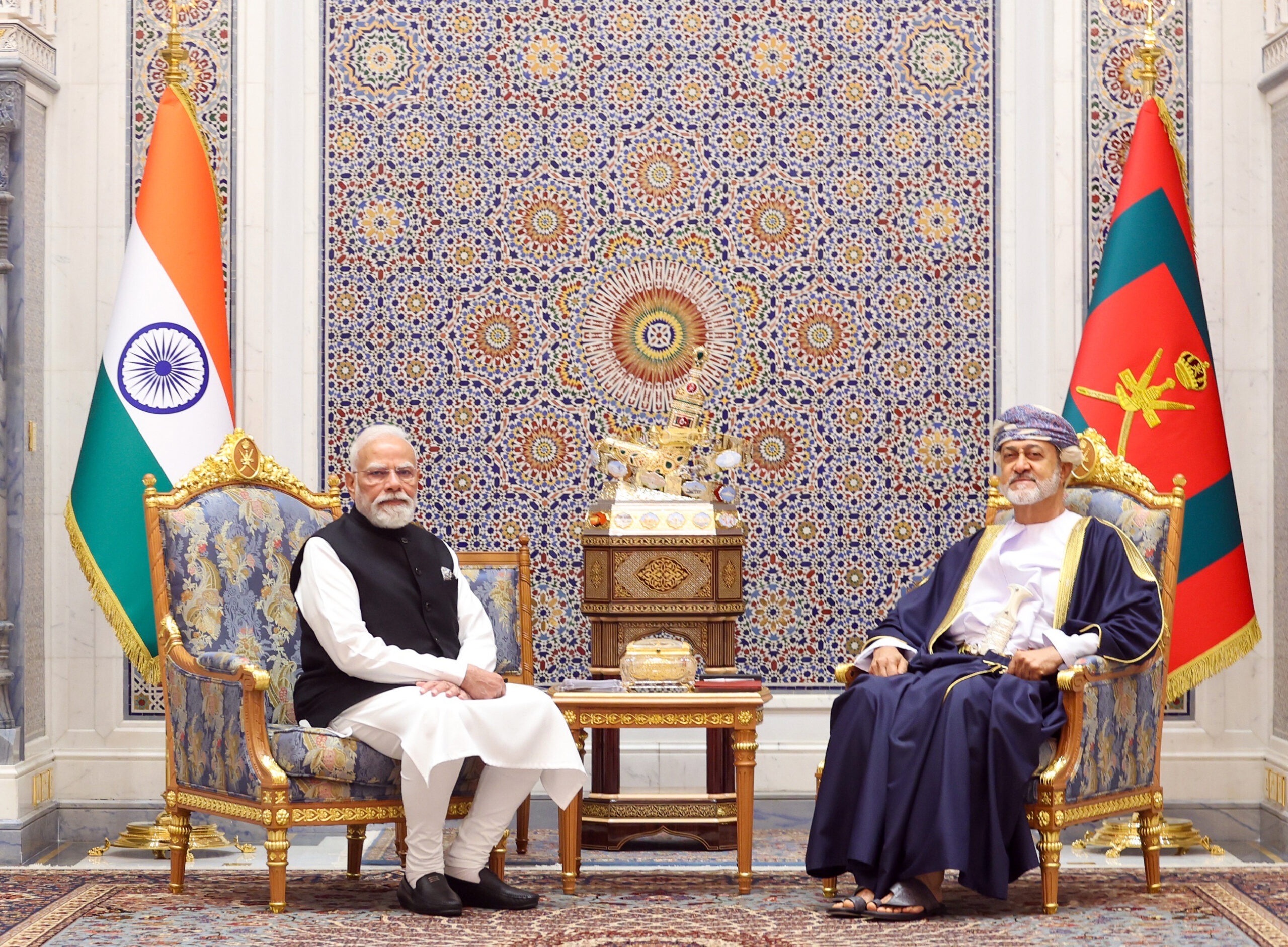
India and Oman are exploring opportunities to deepen bilateral cooperation in energy and sustainable aviation fuel (SAF), alongside security, as both countries pursue longer-term energy-transition and decarbonisation objectives.
Oman’s Ambassador to India, Issa Saleh Abdullah Saleh Al Shibani, highlighted the potential for closer engagement in these areas while speaking to IANS on the sidelines of the Second India SAF Conclave and Awards 2026 in New Delhi. India’s Ministry of External Affairs lists Al Shibani as Oman’s Ambassador to India.
He identified energy, SAF and security as areas where the two neighbouring countries could expand cooperation, citing their geographic proximity and shared airspace.
“Energy, sustainable aviation fuel and security are areas where there is ample scope for cooperation between our two countries.”
The ambassador further added that greater engagement could create opportunities for India and Oman to work together across sectors that are becoming increasingly important to both economies.
SAF Emerges as Potential Area for Bilateral Cooperation
The comments come as SAF becomes a growing area of interest for the aviation industry, with governments and fuel producers examining different pathways to reduce aviation-sector emissions.
For India, SAF development is linked to the availability of domestic feedstocks and the establishment of production, certification, offtake and supply-chain infrastructure. Potential feedstocks and technologies include agricultural residues, used cooking oil, waste-based fuels and synthetic fuel pathways.
Oman, meanwhile, is developing its own clean-energy and low-carbon fuel capabilities as it works towards its national climate targets.
The two countries’ proximity could also be relevant to future energy trade and industrial cooperation, although the Ambassador’s comments did not identify specific SAF projects, investment commitments or bilateral production agreements.
India and Oman Have Different Net-Zero Timelines
Al Shibani pointed to the climate commitments of both countries during the discussion.
Oman has set a net-zero emissions target for 2050, while India’s target is 2070. The Ambassador said both countries are making progress towards their respective environmental objectives and could support one another through cooperation on clean-energy initiatives.
The different timelines reflect the distinct economic and energy profiles of the two countries. Oman remains a major hydrocarbon producer while simultaneously pursuing diversification into renewable energy, hydrogen and other lower-carbon industries. India, meanwhile, is expanding renewable power and exploring multiple pathways for decarbonising sectors that are difficult to electrify, including aviation.
Cooperation Could Extend Beyond SAF
While SAF was a key focus of the discussion, Al Shibani also identified energy and security as areas with scope for stronger bilateral engagement.
Energy has long been a significant component of India–Oman relations, while the two countries’ geographic position in the Arabian Sea and Indian Ocean gives the relationship a broader strategic dimension.
For the energy-transition sector, potential areas of cooperation could include renewable energy, low-carbon fuels, hydrogen and carbon-management technologies, although no specific new projects were announced in the interview.
SAF Industry Calls for India-Specific Approach
The discussion at the SAF Conclave also included views on how India should approach the development of its domestic SAF industry.
Jimmy Olsson, President of the SAF Association and Chairman and Managing Director of ZR2 Group, said India should develop its own approach rather than directly replicate SAF models used in other countries.
Olsson pointed to India’s progress in solar energy, biomass utilisation and broader energy-sector reforms as elements of an existing foundation for developing a domestic SAF ecosystem.
That approach is relevant because the economics and scalability of SAF pathways depend heavily on local conditions, including feedstock availability, renewable-energy costs, infrastructure, policy incentives and access to aviation fuel markets.
Building a Regional Clean-Fuels Ecosystem
Deeper India–Oman cooperation in SAF could potentially form part of a wider regional clean-fuels relationship rather than being limited to aviation.
Both countries are examining ways to expand lower-carbon energy while maintaining energy security and supporting economic growth. For India, international partnerships can provide access to technologies, investment and markets, while Oman is seeking to diversify its energy economy and develop new clean-energy industries.
At present, however, the Ambassador’s comments represent an expression of potential for greater cooperation rather than a formal announcement of a specific India–Oman SAF project.
Bioenergy Business Analysis
The most immediate opportunity in India–Oman SAF cooperation is likely to lie in connecting complementary capabilities rather than simply transferring a single technology from one country to another. India’s large aviation market and agricultural and waste-based feedstock potential provide one side of the equation, while Oman’s energy infrastructure, location and emerging interest in lower-carbon fuels could support broader regional partnerships.
The key question will be whether diplomatic and industry-level discussions develop into concrete projects involving technology providers, feedstock suppliers, fuel producers, airlines and investors. SAF projects require long-term offtake commitments, competitive production economics and recognised sustainability and certification pathways. Without those elements, bilateral interest alone is unlikely to translate into significant commercial SAF volumes.
For India and Oman, the current discussions nevertheless place SAF within a broader bilateral energy relationship that could encompass renewable fuels and other transition technologies as both countries pursue their respective climate and energy objectives.