


Taiwan’s Chung Hung Steel Corporation and Malaysia’s CSC Steel Holdings Berhad have signed a memorandum of understanding (MoU) to develop low-carbon steel products, expand applications and pursue new market opportunities. The agreement, signed by Chung Hung President Fu-Liang Wang and CSC Steel Malaysia Managing Director Chun-Yi Cho, aims to connect manufacturing capabilities across the China Steel Corporation (CSC) group to support the development of lower-carbon steel products.
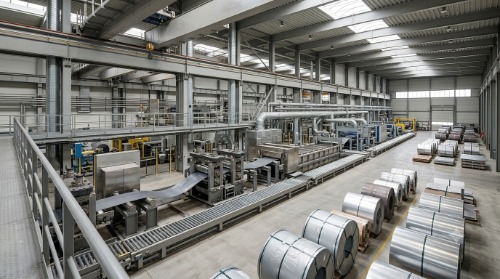
The partnership will link Dragon Steel’s steelmaking operations with Chung Hung’s hot-rolling capabilities and CSC Steel Malaysia’s cold-rolling and galvanising facilities. The companies intend to use this integrated production chain to process low-carbon raw materials into finished steel products, aligning product development with evolving carbon-management requirements and customers’ efforts to reduce supply-chain emissions.
Partnership targets green steel product development
The collaboration will focus on developing low-carbon steel grades, validating product quality and identifying end-use applications based on customer requirements. The companies also intend to combine group resources to strengthen their presence in domestic and international green steel markets.
CSC Steel Malaysia manufactures flat steel products, including cold-rolled steel, galvanised steel and pre-painted metal products. Its product portfolio serves applications across sectors such as automotive manufacturing, construction and household appliances.
Bioenergy Business Analysis
The agreement reflects a broader industrial effort to reduce emissions across steel manufacturing and downstream processing. By connecting steelmaking, hot rolling, cold rolling and galvanising within the same corporate group, the companies can coordinate the development of lower-carbon products across several production stages. However, the MoU announcement does not specify a quantified emissions-reduction target, investment commitment, implementation timeline or production volume for the proposed products.
For the wider energy transition, lower-carbon steel is relevant to renewable energy infrastructure, including wind turbines, solar installations, hydrogen facilities and industrial equipment. The partnership’s potential contribution will depend on the carbon intensity of its raw materials, the energy used in processing and the ability to verify emissions reductions across the production chain. The announcement establishes a framework for cooperation, rather than confirming that commercial low-carbon steel products or measurable emissions savings have already been delivered.