


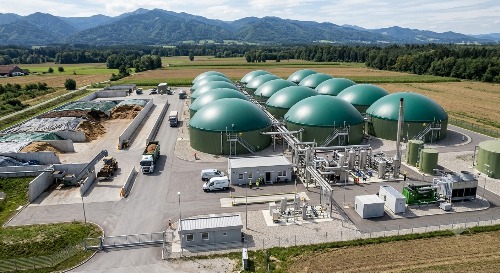
Aemetis Inc. has commissioned two additional dairy biogas digesters in California, expanding its renewable natural gas (RNG) production network to 14 digesters serving 17 dairy facilities, the company announced on 22 October 2026.
The company’s Aemetis Biogas subsidiary has completed construction and started operating the new units as part of a wider programme to capture methane from dairy manure and convert it into pipeline-quality renewable natural gas. The network is expected to produce approximately 600,000 million British thermal units (MMBtu) of RNG annually, according to the company.
The development adds capacity to Aemetis’ existing dairy-waste-to-energy infrastructure, which transports biogas through a dedicated pipeline network to a central upgrading facility in Keyes, California. The upgraded gas is then injected into the Pacific Gas and Electric Company (PG&E) utility gas pipeline.
Aemetis Expands Dairy Biogas Network
With the two new digesters in operation, Aemetis reports that its network comprises 14 dairy digesters receiving manure feedstock from 17 dairy facilities. The company has also signed agreements with a total of 50 dairies in the surrounding area to install digesters, indicating scope for further expansion.
The distinction between the 17 dairies currently supplying the operating network and the 50 dairies covered by agreements is important: the latter figure represents the company’s broader contracted development pipeline, not the number of facilities currently contributing manure to its operational digesters.
Aemetis uses anaerobic digestion to process dairy manure and produce biogas. The gas is transported through approximately 36 miles of pipeline to the Keyes facility, where it is upgraded to RNG for delivery into PG&E’s natural gas network.
Biogas Upgrading Connects Dairy Waste to the Gas Grid
The Aemetis model links agricultural waste management with renewable fuel production. Dairy manure is processed in digesters to generate biogas, which typically contains methane and carbon dioxide, alongside smaller quantities of other compounds. The gas must be cleaned and upgraded to meet the applicable specifications before it can be injected into a utility gas pipeline.
At the Keyes facility, the centralised upgrading arrangement allows biogas from multiple dairy sites to be processed through shared infrastructure. The 36-mile pipeline network connects the digesters to the upgrading plant, reducing the need to install separate upgrading systems at every dairy.
Pipeline injection also provides a route for RNG to enter the existing gas distribution system. Its ultimate climate benefits depend on factors including manure-management practices, methane capture rates, project energy consumption and the emissions associated with processing and transporting the gas.
Aemetis Targets Further Dairy RNG Expansion
Aemetis Chairman and CEO Eric McAfee said the additional digesters represent continued progress in expanding dairy-based RNG production. He also highlighted the reuse of waste from California’s dairy industry and the potential for renewable fuels to displace diesel.
McAfee credited participating dairy farms and construction contractors for supporting the network’s development, adding that the expansion is intended to increase revenue in the Aemetis Biogas business segment.
The company has agreements with 50 dairies to install digesters, but the announcement does not specify a timetable for completing the remaining installations or quantify the additional production capacity they could deliver.
The latest commissioning milestone therefore represents an expansion of operating infrastructure, while the broader development programme remains dependent on construction, site readiness and other project requirements.
Bioenergy Business Analysis
Aemetis’ latest commissioning milestone illustrates how dairy manure can serve as a feedstock for renewable natural gas while addressing methane emissions associated with manure management. The company’s model combines distributed digesters at dairy facilities with centralised gas upgrading and pipeline delivery.
The expansion from 12 to 14 operating digesters adds two units to Aemetis’ existing network. The company’s agreements with 50 dairies suggest further development potential, but the pace of expansion will depend on construction schedules, feedstock arrangements, permitting and infrastructure requirements.
Dairy manure can generate methane as it decomposes under anaerobic conditions. Capturing and processing that gas can reduce uncontrolled methane emissions, while the resulting RNG can substitute for fossil natural gas in suitable applications.
Aemetis’ expansion demonstrates the potential of integrated dairy-waste-to-RNG systems, where feedstock collection, digestion, gas transport and upgrading are coordinated across multiple sites. Sustained growth will depend on converting its wider dairy agreements into operating capacity while maintaining reliable production and demonstrable environmental performance.
Related coverage: Delorean’s SA1 biomethane plant operating licence highlights another project using gas upgrading and grid injection to supply renewable gas.


