Penang collected 10,815 cubic metres of pig waste between May and September 2026 after introducing a mandatory waste-delivery requirement for licensed pig farms, according to state executive councillor H’ng Mooi Lye.
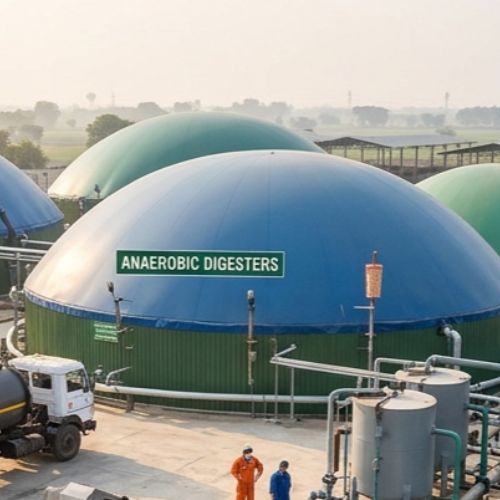
The waste was sent to the Ampang Jajar Biogas Plant under a directive intended to improve livestock waste management and prevent untreated farm waste from entering local drains and waterways.
H’ng, chairman of the Penang State Executive Council’s Local Government, Town and Country Planning Committee, provided the figures during the state legislative assembly sitting on 5 November.
Between 46 and 51 farms recorded waste deliveries each month during the five-month period. Monthly collections ranged from 1,890 to 2,550 cubic metres.
May recorded the highest collection volume, at 2,550 cubic metres, while September had the lowest, at 1,890 cubic metres.
The collection requirement forms part of Penang’s efforts to address pollution associated with pig farming, particularly in Kampung Selamat near Tasek Gelugor. The state government introduced the requirement in May, directing farms in the area to send their wastewater to the Ampang Jajar facility.
In September, H’ng told Bernama that the measure was intended to prevent livestock wastewater from being discharged directly into drains and rivers. The state Veterinary Services Department was also conducting weekly monitoring and investigating complaints. BERNAMA
Enforcement action against non-compliant farm
H’ng said some farms had no recorded waste deliveries or still had outstanding waste awaiting collection during particular months. However, he cautioned that this did not automatically indicate non-compliance.
Some smaller farms, particularly those with fewer than 50 pigs, may not generate enough waste to require collection every month.
The state has nevertheless continued enforcement. The Penang Veterinary Services Department issued a compound notice to a pig farm in Tingkat Selamat 4 for failing to meet the waste-delivery requirements.
Following the action, the farm operator reduced its livestock population to approximately 50 pigs and is expected to cease operations and vacate the premises, H’ng said. The Star+1
Waste management and the biogas pathway
The use of the Ampang Jajar facility is part of a broader effort to manage livestock waste and reduce the risk of pollution in nearby waterways.
Penang has also been pursuing measures to address accumulated waste and sediment in local drainage systems. The state has announced plans to clean Parit Cina and Sungai Kereh, with work expected to begin in the first quarter of 2027. Buletin Mutiara+1
The collection figures indicate the scale of pig waste being channelled into the facility, but the state has not disclosed the quantity of biogas produced from the collected material, the plant’s processing capacity or its energy output.
Bioenergy Business Analysis
Penang’s collection programme highlights how livestock waste management requirements can support the feedstock supply chain for biogas facilities while addressing local environmental concerns. By directing farm waste to a designated processing plant, the state is seeking to reduce uncontrolled disposal and improve waste handling.
The 10,815-cubic-metre collection total provides a measure of the material delivered over five months. However, collection volumes alone do not establish how much renewable energy has been generated. Further information on the plant’s treatment process, biogas production, utilisation and digestate management would be needed to assess the programme’s contribution to Penang’s bioenergy capacity.