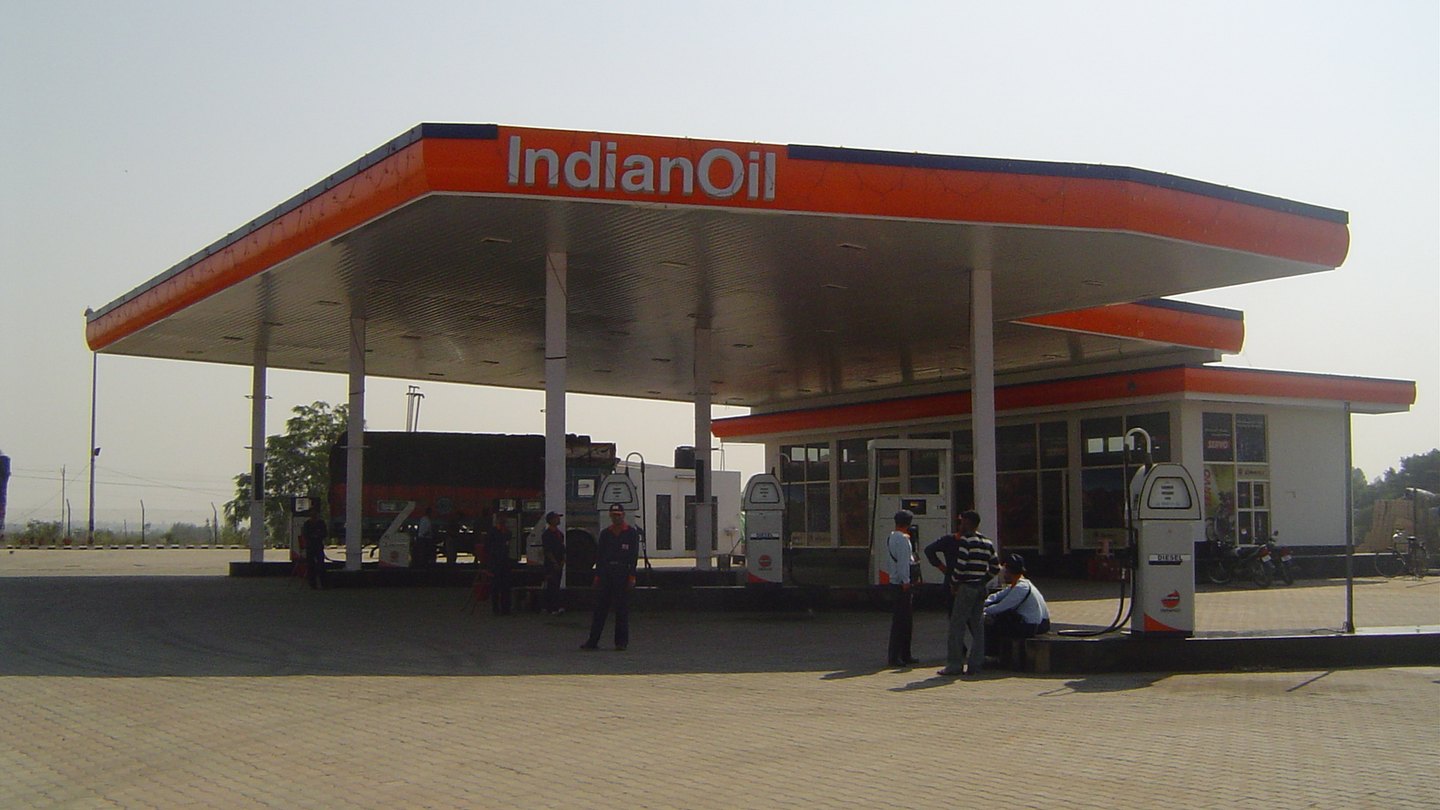
Kerala has begun collecting petrol samples to check their ethanol content, extending scrutiny of India’s E20 fuel to a second state after Karnataka reported blends containing as much as 31.2% ethanol. Public-sector oil companies dispute Karnataka’s findings.
Kerala ordered testing across four districts, Live Hindustan reported. By 17 November, officials had collected samples at four fuel stations in Alappuzha and Kasaragod in the presence of oil company representatives, Onmanorama reported. Kerala Food and Civil Supplies Minister Anoop Jacob said the state would take legal action if testing confirmed excess ethanol.
In this article
- What Karnataka reported
- How the Centre and oil companies responded
- What the tests can tell motorists
Karnataka reports excess ethanol in petrol samples
Karnataka Food and Civil Supplies Minister Rizwan Arshad said on 6 November that the state collected 63 samples across seven districts. The state reported ethanol concentrations above 20% in about four out of five samples, with some readings above 30%. Its highest reported reading was 31.2%, Reuters reported.
E20 is petrol blended with a nominal 20% ethanol by volume. The Bureau of Indian Standards specification cited by the Union government allows a range of 19% to 21%. Karnataka’s reported readings above 30%, if verified under the prescribed procedures, would be outside that range.
Centre cites separate tests of 893 E20 petrol samples
The Ministry of Petroleum and Natural Gas said on 7 November that all 893 samples tested in a separate exercise across 27 states and union territories met the standard. The ministry said its 56 Karnataka samples contained 19% to 20% ethanol, averaging 19.3%.
Indian Oil, Bharat Petroleum and Hindustan Petroleum questioned how Karnataka collected and tested its samples. As Bioenergy Business previously reported, the companies requested outlet-level laboratory reports and access to retained samples for independent testing. The ministry’s account of the two testing exercises also points to differences in the information available on the laboratory methods used.
What the E20 tests can tell motorists about mileage
Fuel sampling can establish whether petrol meets the blending specification. Estimating how a blend affects mileage requires vehicle testing. The ministry estimates a mileage reduction of about 1% to 2% for vehicles calibrated for E20 and about 3% to 6% for certain other vehicles, depending on the category and calibration.
Kerala’s results will show whether the outlets sampled in that state supplied petrol within the prescribed range. The 17 November reports described sample collection and testing preparations, with results still pending.