


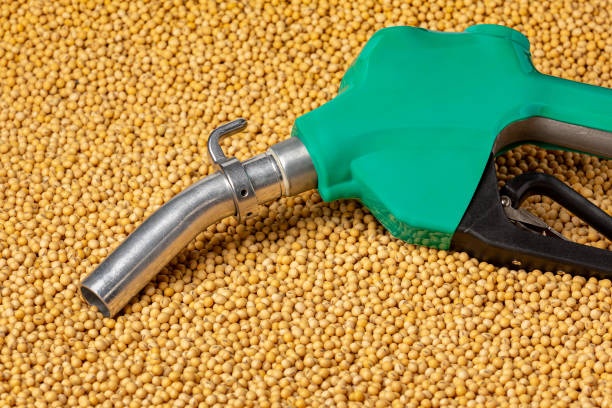
The Ohio Soybean Association is backing proposed legislation aimed at encouraging biodiesel production in the state, with supporters arguing that greater use of bio-based diesel could create new markets for soybeans while expanding fuel options for consumers.
The Ohio Soybean Association (OSA) is supporting proposals that could provide incentives for biodiesel production when the Ohio General Assembly begins its 2027 legislative session, according to comments reported by Brownfield.
Brandon Kern, deputy executive director of the Ohio Soybean Association, said the organisation sees bio-based diesel as an opportunity to broaden the state’s fuel market and provide an alternative to conventional petroleum diesel.
“Bio-based diesel is actually cheaper than petroleum-based diesel right now,” Kern said, according to Brownfield. “It gives us another option.”
Kern said increasing the volume of bio-based diesel available in the market could also provide greater diversity in fuel supply and potentially help moderate exposure to future price movements.
Soybean processing seen as potential economic driver
The proposed incentive is also being viewed through the lens of Ohio’s agricultural economy.
Rusty Goebel, a farmer from northwest Ohio and OSA president, said expanding in-state biodiesel production could create additional economic activity around soybean processing.
“There’s a lot of soybeans that need to be processed in Ohio,” Goebel said, according to Brownfield. He argued that attracting biodiesel production capacity to the state could allow more of the soybean value chain to remain within Ohio.
Goebel also linked increased biodiesel availability with potential fuel-cost benefits for consumers.
The Ohio Soybean Association has previously advocated for policies supporting renewable fuels and domestic feedstocks. In a 2025 policy update, the association highlighted federal biofuel incentives and backed proposals concerning the clean fuel production credit and domestically sourced feedstocks.
Biodiesel policy could connect agriculture and fuel production
Biodiesel is produced from renewable lipid feedstocks, including vegetable oils and animal fats. Soybean oil is an important feedstock for US biodiesel and renewable diesel production, creating a direct connection between oilseed agriculture and renewable fuels.
Ohio already has statutory support for alternative fuels. The state’s alternative-fuel transportation grant programme, for example, defines biodiesel as a fuel derived from vegetable oils or animal fats and provides mechanisms for incentives involving alternative-fuel infrastructure and fuel purchases.
The proposed legislation discussed by the Ohio Soybean Association would add another potential policy mechanism specifically aimed at expanding biodiesel production, although details of the proposed tax credit were not specified in the Brownfield report.
2027 legislative session to consider proposals
The Ohio General Assembly is scheduled to return to Columbus for its 2027 legislative session on January 4, when lawmakers are expected to consider proposals affecting the state’s biofuels sector.
At this stage, the biodiesel initiative should be viewed as a legislative proposal rather than an enacted tax incentive. The eventual design of any credit—including eligible producers, qualifying fuel, credit value, duration and funding limits—would determine its potential impact on Ohio’s biodiesel industry.
The development comes amid a broader shift in the US clean-fuels policy landscape. At the federal level, the IRS says the Section 45Z clean fuel production credit applies to qualifying domestically produced clean transportation fuel produced after December 31, 2024 and sold by December 31, 2029.
For Ohio’s soybean sector, the state-level debate could therefore become another component of the economic link between agricultural production, soybean processing and renewable fuel manufacturing.
Bioenergy Business Analysis
The Ohio proposal illustrates how state-level biofuel incentives can be used to connect agricultural feedstocks with local fuel manufacturing. For soybean producers, additional in-state processing capacity could potentially create another outlet for soybean oil, while biodiesel producers could gain from greater access to regional feedstocks.
The outcome will depend on the structure of the proposed incentive and whether it ultimately becomes law. The broader policy question is how Ohio balances support for renewable fuel production with the economics of feedstock supply, fuel demand and existing federal clean-fuel incentives.