


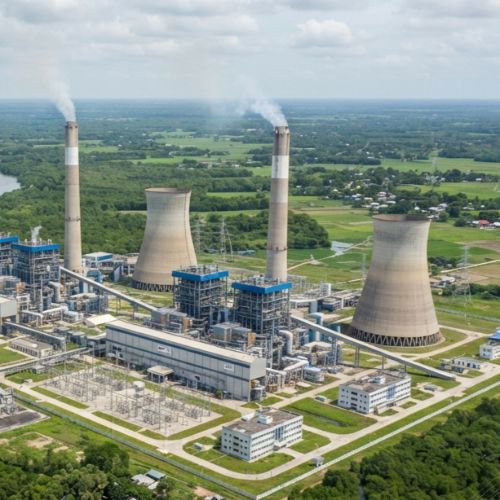
The Rampal power plant in Bagerhat, Bangladesh, has reported a generation level of 1,321 MW, marginally exceeding its stated combined installed capacity of 1,320 MW, with both generating units operating simultaneously.
At around 4:30 pm on October 3, Unit 1 generated 656 MW and Unit 2 produced 665 MW, taking the plant’s reported combined output to 1,321 MW. Both units were supplying electricity directly to Bangladesh’s national grid, according to Anwarul Azim, General Manager of the Rampal Thermal Power Plant.
The reported milestone follows the resumption of operations at both units after a mechanical fault had temporarily interrupted generation.
Both Rampal units return to continuous operation
Azim said the two units had resumed continuous electricity generation after the mechanical issue was addressed.
“After production was temporarily suspended due to a mechanical fault, the two units are now generating electricity continuously,” he said.
The plant will supply electricity to the national grid according to demand, Azim added.
The return of both units to operation restores the plant’s full two-unit generation capability and allows electricity from the facility to be dispatched to the grid based on system requirements.
Plant capacity and reported generation
The Rampal facility has a combined installed capacity of 1,320 MW across its two units. Based on the figures provided by the plant, Unit 1 was operating at 656 MW while Unit 2 was producing 665 MW when the 1,321 MW total was recorded.
The reported output is therefore 1 MW above the plant’s stated combined installed capacity. The supplied source does not explain the reason for this difference, including whether the figures refer to gross generation, a measurement convention or another operating parameter.
That distinction should be independently verified before the 1,321 MW figure is presented as an output above the plant’s rated capacity.
Bangladesh-India joint venture
The Rampal power plant was initiated in 2010 as a joint venture between Bangladesh and India.
Located in Bagerhat, the facility forms part of Bangladesh’s electricity-generation infrastructure and supplies power directly to the country’s national grid.
The latest generation milestone comes after both units returned to service following the reported mechanical fault. With the two units now operating continuously, the facility is positioned to contribute generation to the grid in line with electricity demand.
Bioenergy Business Analysis
The Rampal development is primarily a coal-fired power generation story rather than a bioenergy development. Its relevance to the wider energy sector lies in the operational availability of a large two-unit generating facility and its role in supplying electricity to Bangladesh’s national grid.
The reported 1,321 MW output also highlights the importance of distinguishing between installed capacity and actual generation figures. Because the reported total is marginally higher than the stated 1,320 MW combined capacity, the underlying measurement basis should be confirmed before drawing conclusions about plant performance.
The immediate operational development is that both units have resumed continuous generation following a mechanical fault. The plant’s subsequent contribution to the grid will depend on system demand and the availability of the two generating units.
The plant’s location in Bagerhat and its Bangladesh-India joint-venture origins provide the broader context for the facility, while the latest event is centred on its return to continuous operation.