


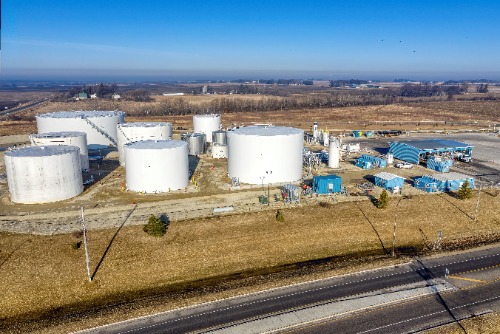
Bolivia’s biodiesel plants may not be able to operate, according to Pablo Camacho, director of the Office for the Strengthening of Public Enterprises (OFEP).
Camacho said the plants face serious problems linked to decisions and management under previous administrations. He said these issues have resulted in an estimated economic loss of US$26 million.
According to Camacho, the situation represents an economic loss to the Bolivian state and, consequently, to the country’s citizens.
The biodiesel plants were developed as part of Bolivia’s efforts to increase domestic fuel production and reduce dependence on imported fuels. However, questions have been raised over the availability of sufficient feedstock to support their operation.
Camacho has previously said that several of the biodiesel facilities lack the raw materials required for sustained production. He has pointed specifically to the need to establish crops such as macororó and African palm, which would provide feedstock for vegetable oil production.
The OFEP director has also said that the biodiesel plants were built before adequate feedstock supply chains had been established. According to his earlier statements, macororó can take around four years to become harvestable, while African palm can take about seven years.
The latest assessment forms part of a broader review of Bolivia’s state-owned companies. OFEP has assessed 67 public enterprises, with 20 reportedly classified as being in critical condition or technical bankruptcy. Camacho said at least 10 companies are expected not to continue operating, subject to the relevant government review and procedures.
The biodiesel plants are therefore among the state industrial projects whose operational and financial viability is being examined as Bolivia reviews the performance of its public enterprises.
Read also: UK Rejects Anti-Subsidy Duties on US HVO Biodiesel Imports