


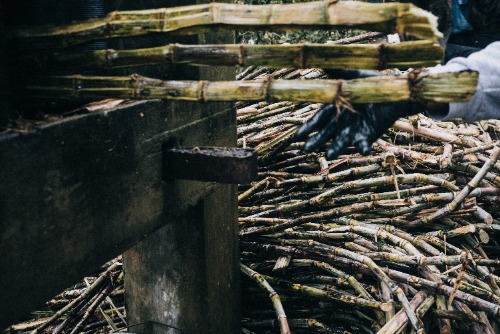
A proposed 100,000-litre-per-day ethanol plant in Khadda, Kushinagar, Uttar Pradesh, remains stalled despite the completion of technical and documentation requirements and arrangements for project funding, with inadequate sugarcane supply emerging as the key constraint.
The project is being developed by IPL Sugar Mill which has a planned production capacity of 100 kilolitres of ethanol a day. More than Rs 1.5 billion is planned to be invested in the facility, but the mill is struggling to secure sufficient sugarcane for its existing crushing operations, creating a bottleneck for the ethanol project.
The development was reported by Amar Ujala, which said the project’s land selection, soil testing and other technical and documentation formalities have been completed. Land has also been reserved within the mill premises.
Sugarcane supply emerges as the main constraint
The proposed ethanol plant is designed around molasses, a by-product of sugarcane crushing and the planned feedstock for ethanol production. This makes a reliable supply of sugarcane critical to the project’s operation.
According to the report, sugarcane is available in the wider region, but IPL is not receiving the volume it requires. The allocation of the mill gate and several nearby procurement centres to other sugar mills has affected the quantity of cane available to IPL.
The mill has a stated crushing capacity of 4.5 million quintals, but it received only about 2.7 million quintals of sugarcane during the previous crushing season.
That gap between installed crushing capacity and actual cane procurement has become a major obstacle to progressing the ethanol project.
₹1.5 billion investment remains tied to project delay
The planned investment of more than Rs 1.5 billion underlines the scale of the proposed expansion. However, the project cannot progress as planned without greater certainty over feedstock availability.
For a molasses-based ethanol facility, sugarcane procurement and mill utilisation are directly linked to the availability of the raw material required for ethanol production. As a result, resolving the cane supply issue is central to moving the Khadda project towards construction and eventual operation.
The project’s delay also comes as India continues to promote higher ethanol use in petrol and expand domestic ethanol production capacity.
Project plans evolved from 60 KLPD to 100 KLPD
The proposal has been under development for several years. According to the Amar Ujala report, the process began in February 2020, when a decision was taken to establish an ethanol project following a meeting chaired by then Additional District Magistrate Vindhyavasini Rai.
The original proposal envisaged an ethanol plant with a capacity of 60 kilolitres per day, alongside 2.5 MW of electricity generation.
The project was subsequently discussed at a public meeting in Khadda in 2023, while an alternative proposal to produce ethanol from grain was also considered. That grain-based plan was later put on hold.
The project has since been revised to the current 100-kilolitre-per-day ethanol configuration.
Delayed project could affect local industrial activity
The stalled project represents more than a delayed fuel-production facility for the local area.
Once operational, the plant could provide a route for greater utilisation of molasses generated by the sugar mill. The project is also expected to support employment and generate activity for transportation and other associated businesses, according to the source report.
The inability to move ahead therefore creates a wider challenge for the proposed industrial expansion around the mill.
At the same time, the project demonstrates one of the practical constraints facing sugar-based ethanol expansion: increasing production capacity requires not only investment and technology, but also dependable access to the underlying sugarcane and molasses feedstock.
Feedstock availability will determine the next phase
The Khadda ethanol project has moved through several stages since work on the proposal began in 2020, including changes in planned capacity and feedstock strategy.
The current proposal is centred on a 100-kilolitre-per-day facility using molasses from sugarcane crushing. With land reserved and technical formalities reportedly completed, the immediate challenge is securing adequate cane supply for IPL’s mill.
Resolving that constraint will be critical if the proposed ethanol facility is to move forward and contribute to the wider expansion of ethanol production in Uttar Pradesh.
Bioenergy Business Analysis
The Khadda project highlights the importance of feedstock security in developing new ethanol capacity. Although the proposed plant has reportedly completed its technical and documentation requirements and secured funding arrangements, the project remains constrained by the mill’s ability to procure sufficient sugarcane.
The reported difference between IPL’s 4.5-million-quintal crushing capacity and approximately 2.7 million quintals of cane received during the previous season indicates the scale of the supply challenge. For a molasses-based ethanol plant, lower-than-expected cane throughput can directly affect the availability of feedstock for downstream ethanol production.
The case also illustrates the distinction between having an approved or technically prepared ethanol project and having the operating conditions needed to support it. Until the sugarcane procurement issue is addressed, the 100,000-litre-per-day facility is unlikely to progress from preparation towards full development.
Read also: Uttar Pradesh plans Rs 200–250 crore integrated ethanol, sugar and power plant